Which Food Is Bad for the Skin?
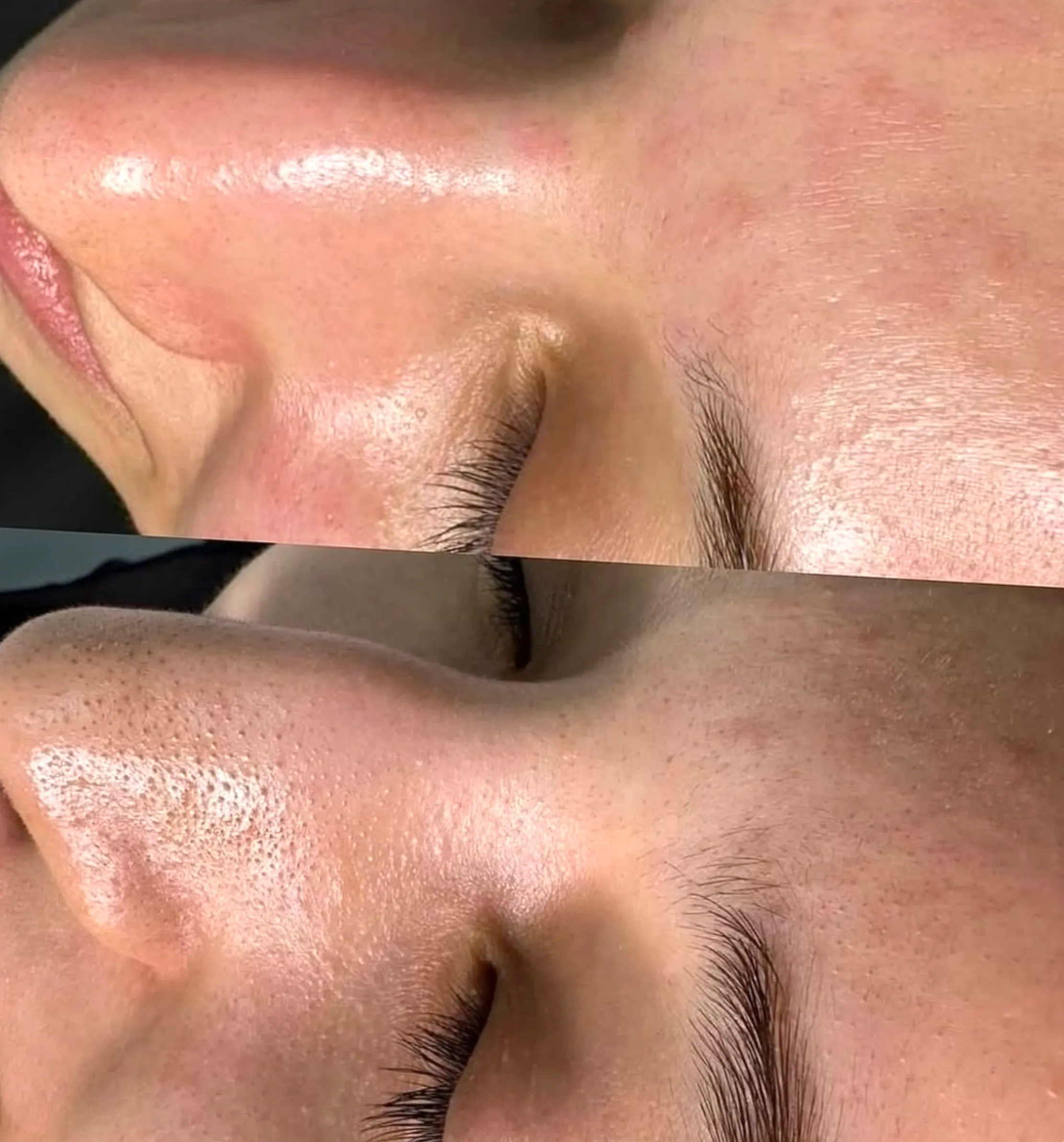
As someone who’s spent nearly 20 years caring for skin in both London and Brisbane’s extreme humidity, I’ve lost count of how many times I’ve been asked, “What foods are bad for the skin?” I’m Sevine Forster, and I want to make it easier for you to understand how factors such as white bread, refined sugars, dairy products, and occasional fast-food takeout can significantly affect oil production, clogged pores, and inflammatory conditions like acne-prone skin and rosacea.
Think of this as one of our chill consultation visits at The Facial Hub – we want you to feel relaxed and at ease, without any of that scary beauty jargon to worry about. When clients come in for a skin reset, dermaplaning in Brisbane often prompts discussion of how lifestyle and diet can influence factors such as inflammation and sensitivity.
Contents
- 1 Why Some Daily Choices Influence Your Skin
- 2 High-Glycaemic Triggers: Why They Disrupt Clarity
- 3 High-GI Culprits To Watch
- 4 Dairy’s Impact on Hormonal Balance
- 5 Processed Meats & Salt: The Dehydration Duo
- 6 Alcohol’s Hidden Effect on Sensitivity & Redness
- 7 Saturated & Trans Fats: Congestion’s Best Friend
- 8 The Skin Effects of Food: A Quick Comparison Table
- 9 Gut Health’s Role in Skin Harmony
- 10 You Live Impacts Your Skin Sensitivity
- 11 Supportive Ways To Calm Internal Triggers
- 12 My Honest Take
- 13 Your Reflection & Next Steps
- 14 FAQ
- 14.1 Does a spicy food binge really make your redness worse?
- 14.2 Are gluten-free foods automatically better for your skin?
- 14.3 What kind of foods will help you get that ‘clear skin’ glow?
- 14.4 Can whey protein make you break out?
- 14.5 Are facial treatments still worth it even if your breakouts are caused by food?
Why Some Daily Choices Influence Your Skin

I’ve seen plenty of clients try all sorts of high-tech serums, only to find out their biggest skin saboteur was probably lurking in their lunchbox all along. Loads of foods – especially the ones that are highly processed, contain lots of carbs & artificial stuff – can kick off inflammatory responses, give you blood sugar spikes and mess with cell regeneration. And all of these things show up on the skin.
When you’re already up against Brisbane’s humidity and UV rays, your skin barrier is already under enough stress. But then add in the foods that increase inflammation or bugger up your gut bacteria – and your skin is going to be screaming at you. Some clients only have dermaplaning.
For people struggling with conditions such as seborrheic dermatitis or atopic dermatitis, I often recommend pairing gentle skincare with the clean-beauty support we offer at The Facial Hub in Brisbane.
High-Glycaemic Triggers: Why They Disrupt Clarity

So, what about all these high-GI foods that seem so harmless at first glance? White bread, pastries, soft drinks, and all that sugary snack stuff? They elicit a rapid insulin spike. Additionally, insulin-like growth factor 1 (IGF-1) is spiking, which will increase oil production, clog pores, and cause inflammation.
As of 2026, dermatology research has shown that acne severity in adults has increased by up to 60% when they consume high-sugar foods & refined carbs daily. For anyone with acne-prone skin, that’s a significant concern.
High-GI Culprits To Watch
- Sweet breakfast cereals that are basically just sugar in a box
- White-flour products like white bread or pasta
- Chips, or any sort of processed carb
- Soft drinks and other sugary treats
- Lots of my acne clients have found that when they reduce those high-GI foods, they start to see even better results from treatments like skin needling in Brisbane, as inflammation levels drop
Dairy’s Impact on Hormonal Balance
Dairy can be a real skin-wrecker, especially for people prone to acne. Milk and ice cream, in particular, contain natural hormones that give oil glands a big boost – hence the term ‘oil glands’ – and that can trigger even more oil to come in. And if you’re already struggling with acne, it can just make things worse, especially around the jawline.
Lots of people have a sensitivity to dairy, and that can make inflammatory skin issues like atopic dermatitis or gluten-sensitivity-related dermatitis herpetiformis even worse. So what do you do if you’re unsure whether dairy is the culprit? I often recommend that people step away from it for a while and see how their skin responds, and I like to complement that with a microdermabrasion treatment at The Facial Hub. That gives us a bit of a lift and helps clear out some of the surface congestion while we work on tackling the deeper triggers.
Processed Meats & Salt: The Dehydration Duo

My goodness, foods like processed meat, bacon, pizza, and those salty snacks are like a one-two punch for your skin. The high levels of sodium chloride in these foods draw water right out of your cells and leave your skin feeling dehydrated and puffy.
And when your skin is dehydrated, it just looks ragged and rough – and you know it. It exaggerates fine lines and makes redness and irritation a real problem. Out here in Queensland, where the sun and heat are always taking a toll on your skin, it can get awful really quickly. That’s why many of my clients turn to hydrating treatments, and dermaplaning in Brisbane is a real favourite of mine – it instantly gives you smoother, more revitalised-looking skin.
Alcohol’s Hidden Effect on Sensitivity & Redness
Alcohol’s got some sneaky effects on the skin – it widens blood vessels, dehydrates it even more, and just makes inflammation worse. And if you’re drinking regularly, it can cause rosacea, pigmentation and irritation, a right old nightmare.
I get so many clients coming in and saying that their skin looks instantly clearer when they cut back on the booze – and that’s no surprise. So if your skin’s feeling a bit “crepey” on a Sunday morning, it might not be the work week that’s the problem – it might just be the hangover of the previous night. I find that many clients achieve exceptional results when they ditch alcohol and combine it with calming treatments at The Facial Hub in Brisbane.
Saturated & Trans Fats: Congestion’s Best Friend
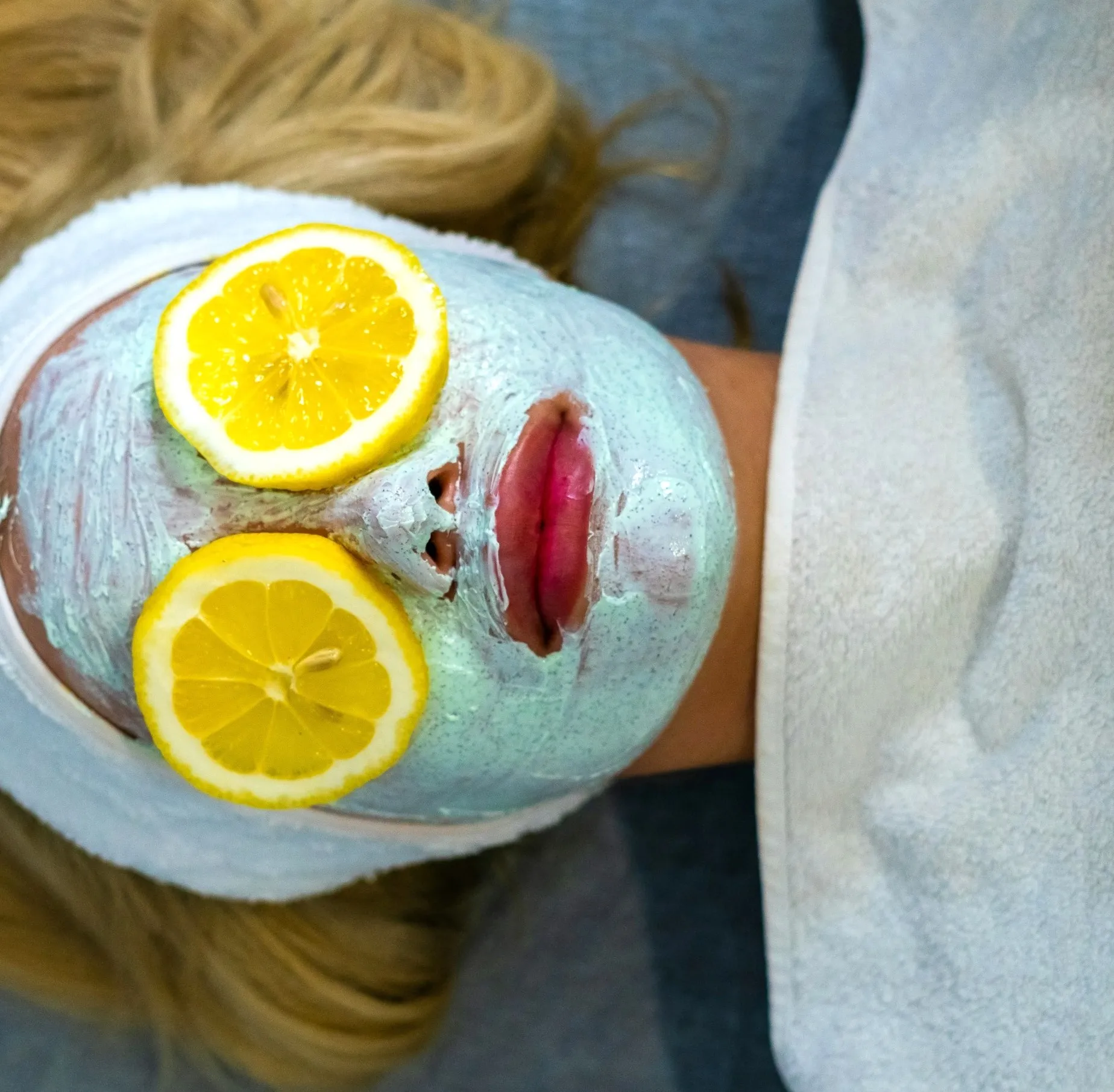
Now I know not all fats are created equal – and it’s actually the omega-3 fats and anti-inflammatory foods that are great for your skin. They help calm the skin and support healthy cell membranes.
But trans fats and all that fast food… that’s just a different story. They change the quality of your sebum, which can clog up pores and make your skin look dull and tired. I see it all the time with clients who’ve been eating a pretty rubbish diet and have ended up with clogged pores as a result. Dietary changes will almost always be a big part of the solution, and dermaplaning or microdermabrasion can really drive it home because you can see the difference – and fast – once you start making some healthier choices.
The Skin Effects of Food: A Quick Comparison Table
| Food Category | Common Sources | Typical Skin Response | Notes (2026 Research) |
|---|---|---|---|
| High-GI Foods | White bread, pastries, soft drinks | Oil production, breakouts, clogged pores | Linked to 60% increase in acne severity |
| Dairy Products | Milk, cheese, ice cream | Hormonal acne, inflammatory flares | IGF-1 increases the risk of acne risk |
| Processed Foods | Fast food, processed meat | Puffiness, dehydration, water retention | Salt slows barrier recovery |
| Trans Fats | Fried foods, artificial ingredients | Blocked pores, dullness | Alters cell membranes and oil quality |
| Anti-Inflammatory Foods | Whole grains, Mediterranean diet, and cruciferous vegetables | Calmer skin, reduced redness | Supports gut bacteria & regeneration |
Below is a simple breakdown of food categories and how they affect the skin through pathways such as glycemic index, inflammation, and oil regulation.When Breakouts Come From More Than Diet Alone
Nutrition plays a part in skin health, but skin issues just aren’t that simple to fix. Stress, hormones, UV exposure, overuse of products such as benzoyl peroxide or salicylic acid, and excessive hot beverage consumption also play a role.
I once had a client who went to great lengths to cut gluten and dairy from her diet, but it didn’t do the trick. It turned out she was causing more damage through over-exfoliating and stress, so I started her on a gentler routine, and she also tried getting a microdermabrasion at The Facial Hub. It wasn’t long before her skin began to heal and look great.
Gut Health’s Role in Skin Harmony
Your gut and skin are like two old friends who talk to each other all the time. When your gut gets out of balance, because you’ve eaten too many junk foods or not enough probiotic-rich foods, your skin tends to get the message and gets a bit cranky.
Sorting out what you’re eating can make a big difference. Try introducing more whole grains, some omega-3s, lots of antioxidant-rich foods, and a bit of Mediterranean flair into your diet, and it can really help reduce inflammation.
You Live Impacts Your Skin Sensitivity
The climate where you live significantly affects your skin’s sensitivity. Brisbane’s heat makes you sweat and your skin more oily, so you’re more likely to react to foods like fast food or high-carb foods. Melbourne’s cool winters dry out your skin, making you more likely to experience flaky skin, and food can make it worse.
That’s why a good skincare routine is so important. Many of my clients find that making simple diet changes and pairing them with treatments like skin needling in Brisbane helps clear up their skin and improve treatment outcomes.
Supportive Ways To Calm Internal Triggers
You don’t have to make all these massive changes at once – just start by making some gentle tweaks to what you eat:
- Try swapping all those refined sugars for whole grains
- Eat more foods high in omega-3s and antioxidants
- Try to cut back on junk foods and trans fats
- Find some yummy probiotic foods
- And don’t forget to put that sunscreen on in the morning
Paired with a good skincare routine – perhaps a treatment like dermaplaning in Brisbane now and then to keep your skin in tip-top condition – you should start to see some really positive changes.
My Honest Take

Food isn’t usually the leading cause of skin problems – but it can definitely make things worse if there are underlying issues. When my clients make healthy food choices and combine them with the right products and treatments, their skin appears clearer, more hydrated, and generally healthier. Sometimes I’ve seen some of the most dramatic improvements when clients tweak their diet and get some clinical treatments like our microdermabrasion treatment at The Facial Hub – it really helps to calm things down and smooth out the texture of their skin.
Your Reflection & Next Steps
If this all sounds like your story, you’re not the only one. The truth is, your skin is pretty closely tied to how you take care of yourself – and what you eat can be a big part of that. If you’re wondering if your skin problems might be linked to specific foods, just visit The Facial Hub in Brisbane, and we’ll sort it out together.
FAQ
Does a spicy food binge really make your redness worse?
Yeah – it can. Spicy food can dilate blood vessels and exacerbate rosacea or atopic dermatitis flare-ups. Now, not everyone reacts this way – but I’ve seen it happen a lot to my more sensitive-skin clients.
Are gluten-free foods automatically better for your skin?
Not necessarily – only if you’ve got a gluten-related condition like dermatitis herpetiformis. Otherwise, whole grains are usually the way to go.
What kind of foods will help you get that ‘clear skin’ glow?
Think Mediterranean diet – that means whole grains, omega-3 fats, as many antioxidant-rich foods as you can fit in, more veggies (especially the bitter ones) and loads of probiotic foods.
Can whey protein make you break out?
Yeah, it can. Whey protein tends to increase your IGF-1 levels, which in turn can tell your skin to produce more oil and then clog up your pores with all that extra oil.
Are facial treatments still worth it even if your breakouts are caused by food?
A hundred per cent. Treatments can help calm your skin down, promote some new cell growth and help strengthen that skin barrier – and the two of those things can work well together if you make some healthy food choices to go with them.