Do People Live in Kakadu National Park? Find Out Here
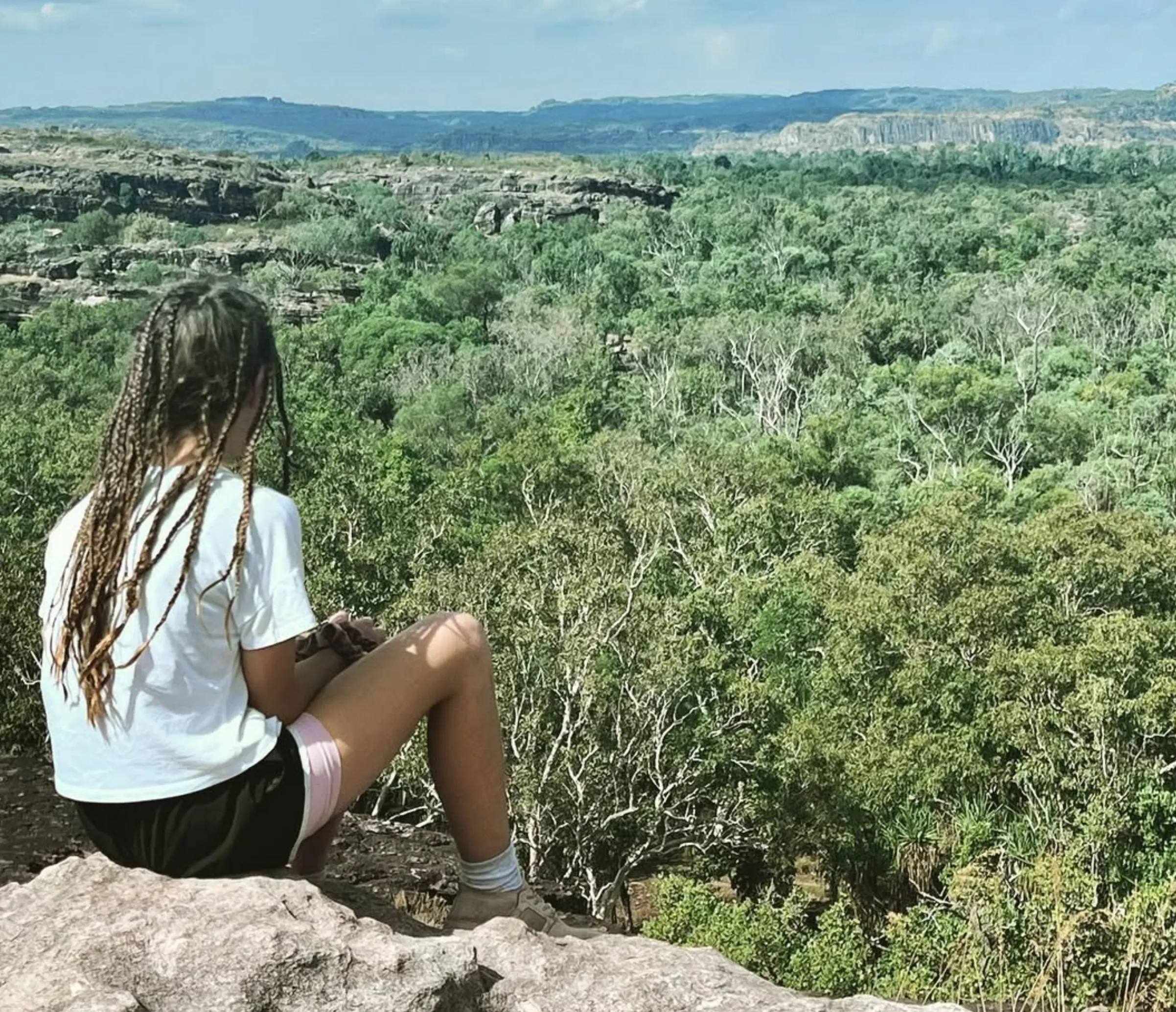
Kakadu National Park is one of Australia’s most beautiful natural wonders, known for its stunning landscapes, rich Indigenous culture and crazy biodiversity. It covers thousands of square kilometres and has tidal flats, grassy plains, freshwater springs and rocky outcrops. But one question many travellers ask is: Do people live in Kakadu? The answer is yes! Kakadu is not just a tourist destination; it’s home to a lot of people, including Indigenous communities and park staff.
Lives in Kakadu National Park
Indigenous Communities
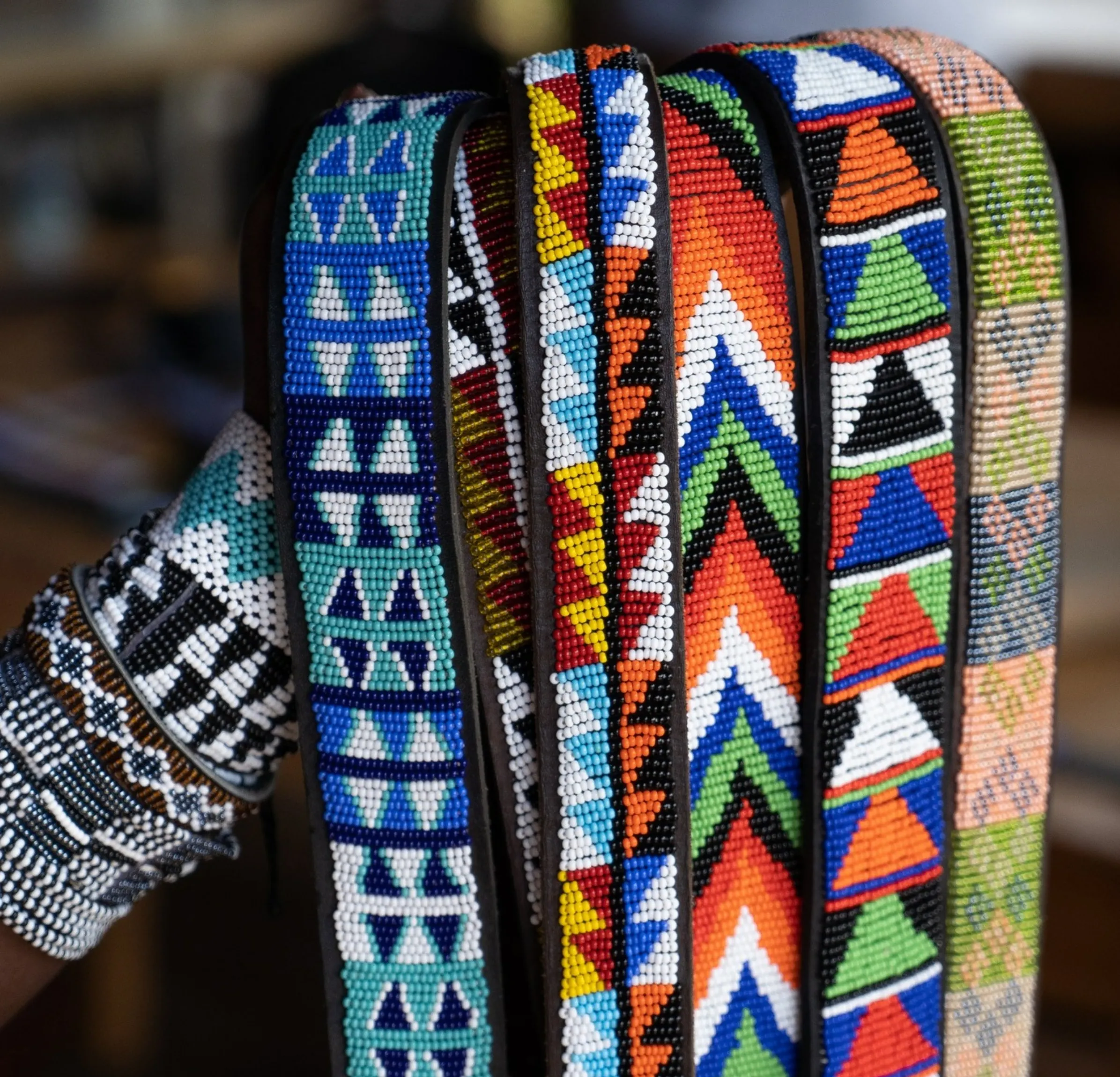
Kakadu has been home to Aboriginal people for over 65,000 years, making it one of the oldest continuously inhabited places on earth. The traditional owners are the Bininj/Mungguy people who have maintained their culture, language and connection to the land for millennia. Many Indigenous families live within the park, managing the land, preserving sacred sites and sharing their culture with visitors. Aboriginal land claims and land security are key to life in Kakadu, to protect sacred sites and cultural values.
Park Rangers and Staff
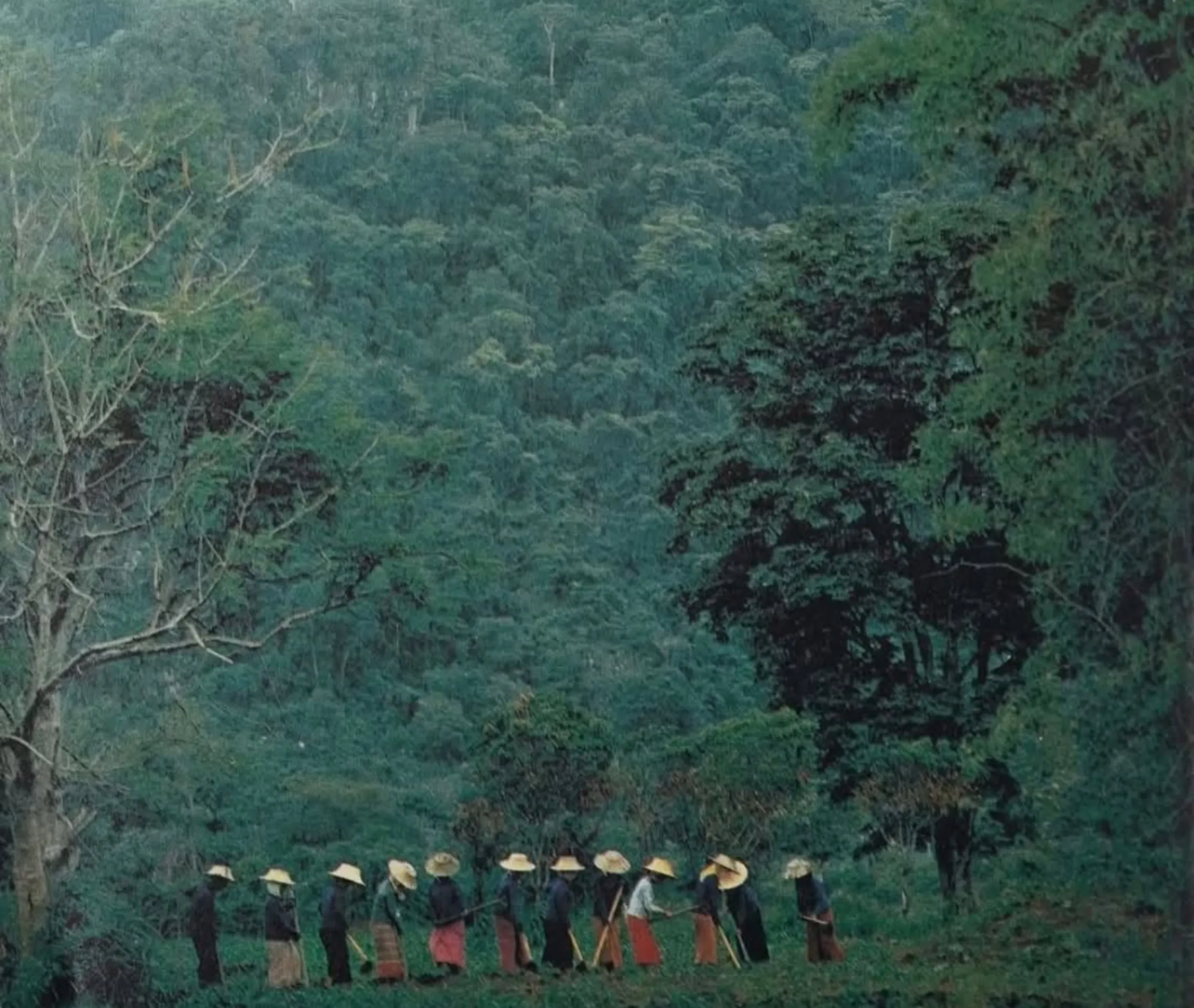
Kakadu is a jointly managed park, meaning Indigenous owners work alongside Parks Australia to look after this UNESCO World Heritage site. National park managers, conservationists and administrative staff live in or near the park to run the day to day operations and keep the ecological and cultural landscape intact.
Tourism and Seasonal Workers
With Kakadu being a popular tourist destination, seasonal workers including Kakadu day tour guides, hospitality staff and service providers temporarily live in or near the park, especially during the peak tourist season May to October. Darwin to Kakadu tours attracts many visitors to experience cultural traditions, Aboriginal rock art and the famous Yellow Water Billabong wetlands. Autopia Tours also offers guided Kakadu tours to help visitors explore the park’s heritage and natural beauty.
Where Do Residents Live?
Most of Kakadu’s permanent residents live in small communities or designated residential areas within the park. Some of the key settlements are:
- Jabiru – The largest town in Kakadu, originally built to support the nearby Ranger Uranium Mine, now services tourism and park management. It has private dwellings and other dwellings for park workers and Indigenous people.
- Gunbalanya (Oenpelli) – A predominantly Aboriginal community located just outside Kakadu’s western boundary, known for its Aboriginal art and cultural significance. It has strong cultural ties to the land and traditions.
- Smaller Outstations – Many Indigenous families live in remote outstations throughout the park, allowing them to maintain a traditional lifestyle while still accessing modern amenities when needed. These areas are critical for preserving Aboriginal language, cultural values and living culture.
What’s Life Like in Kakadu?

Living in Kakadu is an experience like no other, with residents surrounded by some of the most pristine landscapes in the world. But it comes with challenges – the wet season and dry season, seasonal flooding and limited access to urban services. Despite the challenges those who live in Kakadu are deeply connected to the land and play a vital role in looking after its ecological, natural values and cultural integrity.
Kakadu is teeming with animal life, with bird species, native animals and freshwater crocodiles along riverbanks and wetlands like Mamukala Wetlands and the Mary River. The park is also home to invasive species like the Asian water buffalo which impact on the intact landscape and ecological balance.
Visiting Kakadu and Meeting Locals
Visitors to Kakadu can learn from the park’s residents through guided cultural tours, art galleries and ranger-led activities. Meeting the locals gives you a deeper understanding of the land’s cultural significance, ancestral lands and historical records. Key attractions are:
- Jim Jim Falls – A beautiful waterfall to see the natural beauty of the region.
- Nourlangie Rock – Famous Aboriginal rock art site with deep cultural meaning.
- South Alligator River – A vital waterway with high biodiversity.
- Archaeological sites and ceremonial sites – A glimpse into ancient Aboriginal traditions and cultural sites.
Economic and Social Aspects
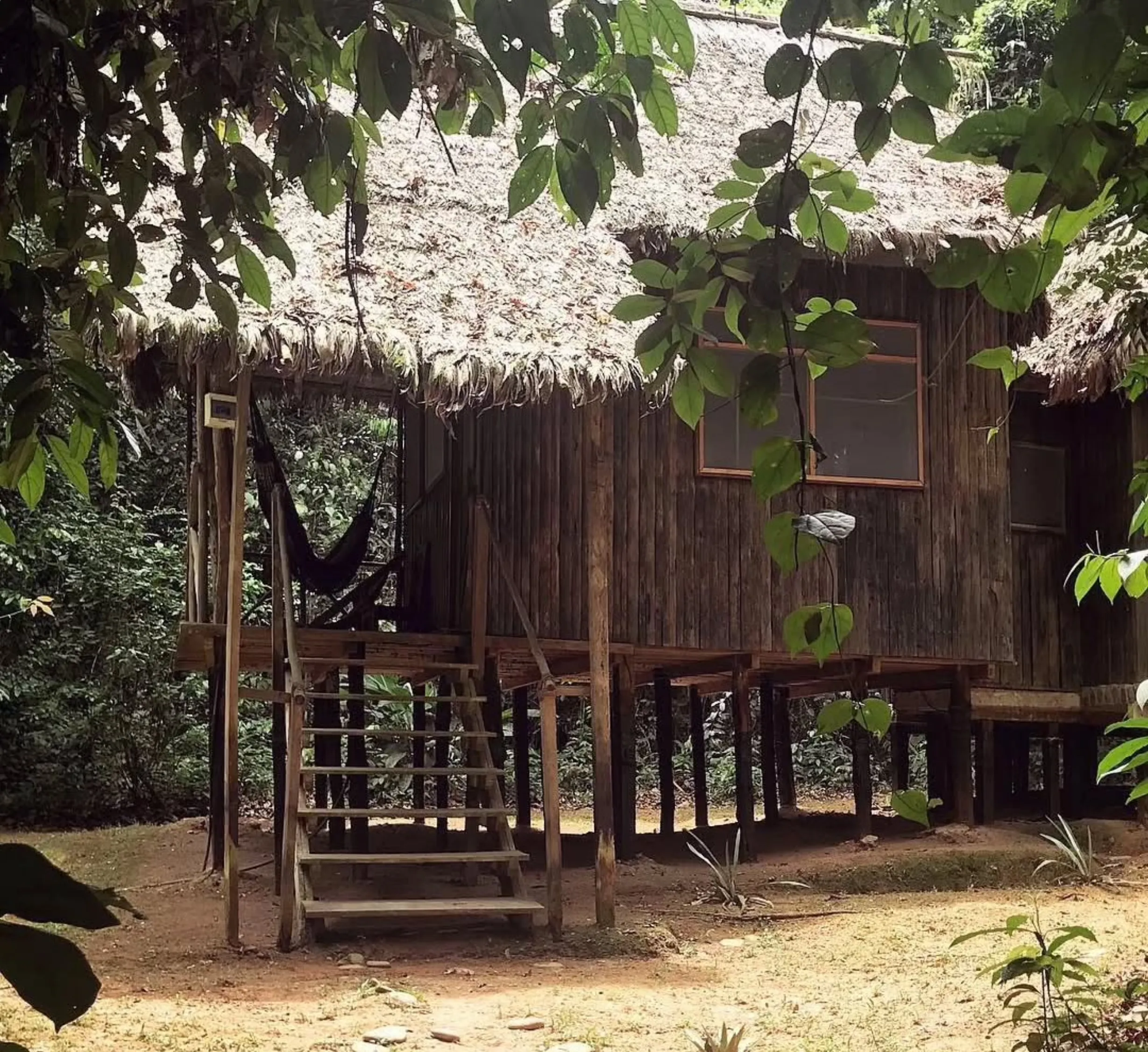
Life in Kakadu includes economic and social components, Indigenous household indicators, applicable households and tenure types. Many people rely on park employment, tourism and cultural industry for economic security. Housing options are renter households, mortgage repayments and weekly payments related to household composition. Australian census data shows usual residence of residents, people per household and dwelling tables dwelling type characteristics.
Health conditions like lung conditions, heart disease and mental health conditions affect some people, selected long term health conditions monitored in Indigenous communities. European settlement historically impacted Kakadu’s Indigenous population but ongoing joint management and land handbacks with the Northern Land Council ensures Aboriginal land rights are protected.
Conclusion
People do live in Kakadu, and their presence is important to the park’s sustainability and heritage. Whether it’s the Indigenous custodians preserving their traditions, the park staff maintaining the ecosystem, or the seasonal workers supporting tourism, Kakadu is not just a national park – it’s a living community. The Aboriginal population, national park managers, and the cultural landscape all contribute to the park being one of the most unique cultural and natural places in the country. Exploring this remarkable destination through Kakadu tours from Darwin or Darwin Tours Kakadu offers visitors a deeper connection to the people, stories, and landscapes that make Kakadu truly special.
FAQs
Can non-Aboriginal people live in Kakadu National Park?
Yes, non-Aboriginal people such as park rangers, conservationists and tourism workers live and work in Kakadu but permanent settlements are primarily Indigenous communities.
What are the biggest challenges of living in Kakadu?
Challenges include extreme weather during wet and dry seasons, seasonal flooding, limited access to urban facilities and encounters with native wildlife like freshwater crocodiles.
Are there schools and healthcare facilities in Kakadu?
Yes, communities like Jabiru have basic services like schools, healthcare facilities and shops although access to specialist medical care often requires travel to larger towns.
How do the Indigenous population contribute to managing Kakadu?
Indigenous people play a key role in park management through joint management programs with Parks Australia, preserving cultural traditions, maintaining sacred sites and supporting conservation efforts.
Can visitors meet the residents of Kakadu?
Yes, visitors can meet local communities through cultural tours, art exhibitions and ranger led activities which provide insight into Aboriginal culture and traditions.