Can You Learn Microblading Part-Time While Working?
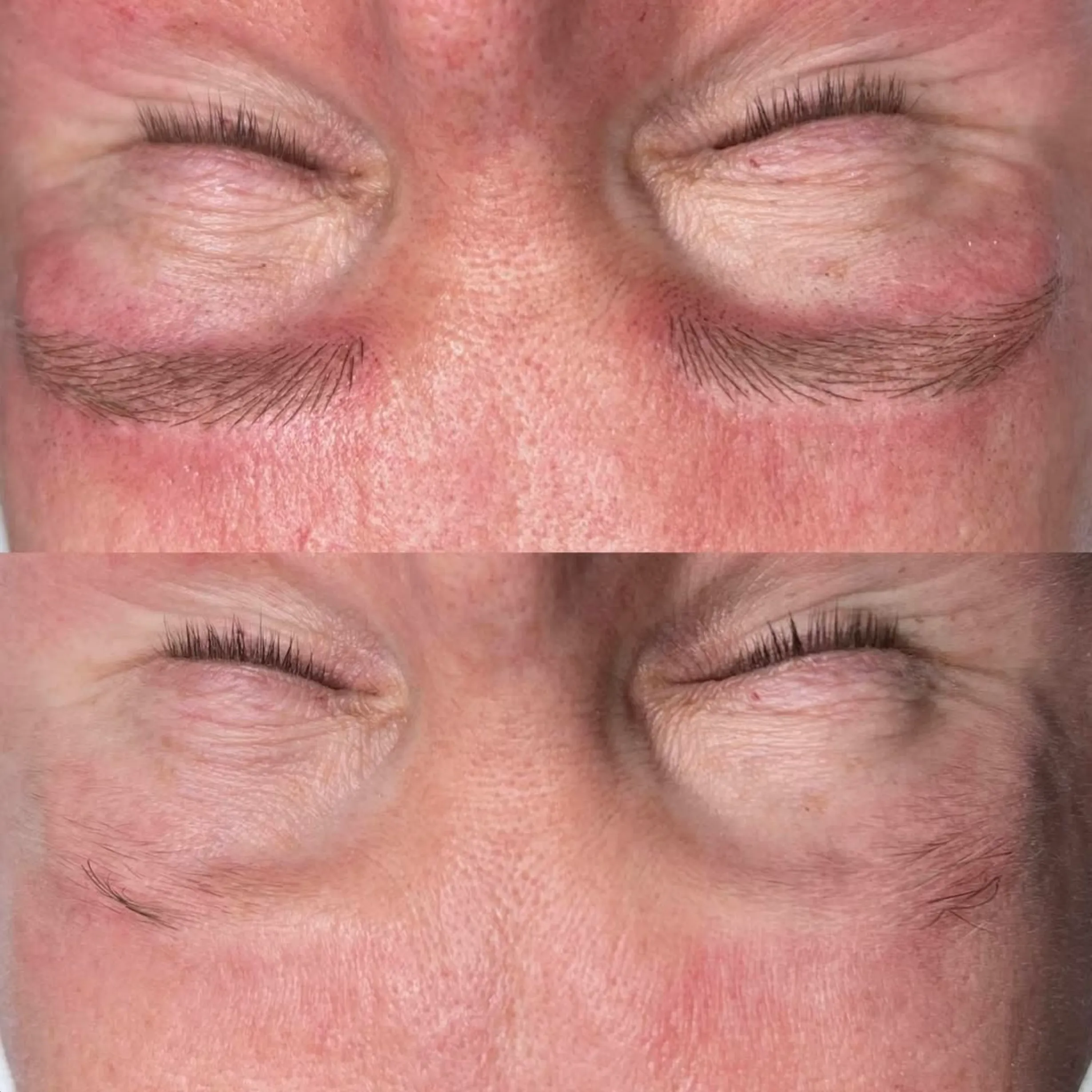
If you’ve ever wondered “Can you learn microblading part-time, while working?”, then you’re definitely not alone – and I hear that question a fair bit in my Melbourne studio. As Olha Po, I’ve had the pleasure of teaching loads of students through a structured microblading course while they’ve been juggling full-time jobs, families and study commitments.
Loads of people are curious about permanent makeup and the different options it offers, and they want to find a way to get started without having to quit their jobs. Loads of my part-time students start from scratch with zero experience, and a structured microblading training program gives them the skills and confidence to work safely while learning at a pace that actually makes sense.
Learning microblading involves a whole heap of things: skin science, brow mapping, stroke patterns, colour theory, and then putting it all into practice with live models. The real advantage of a part-time structure is that you can build steady microblading practice without burning out – and often that means you develop better muscle memory week by week instead of cramming everything in at once.
Contents
- 1 Why Flexible Learning Helps Microblading Students
- 2 How Training Can Fit Around Busy Work Hours
- 3 Typical Time Commitment (Realistic, Not Sugar-Coated)
- 4 Essential Skills To Master Before Clients
- 5 Balancing Work And Microblading Study
- 6 Real Student Stories From My Melbourne Studio
- 7 What To Look For In A Course
- 8 Is This Training Format Enough To Start Your Career?
- 9 You Can Train & Succeed Brilliantly
- 10 FAQ
Why Flexible Learning Helps Microblading Students
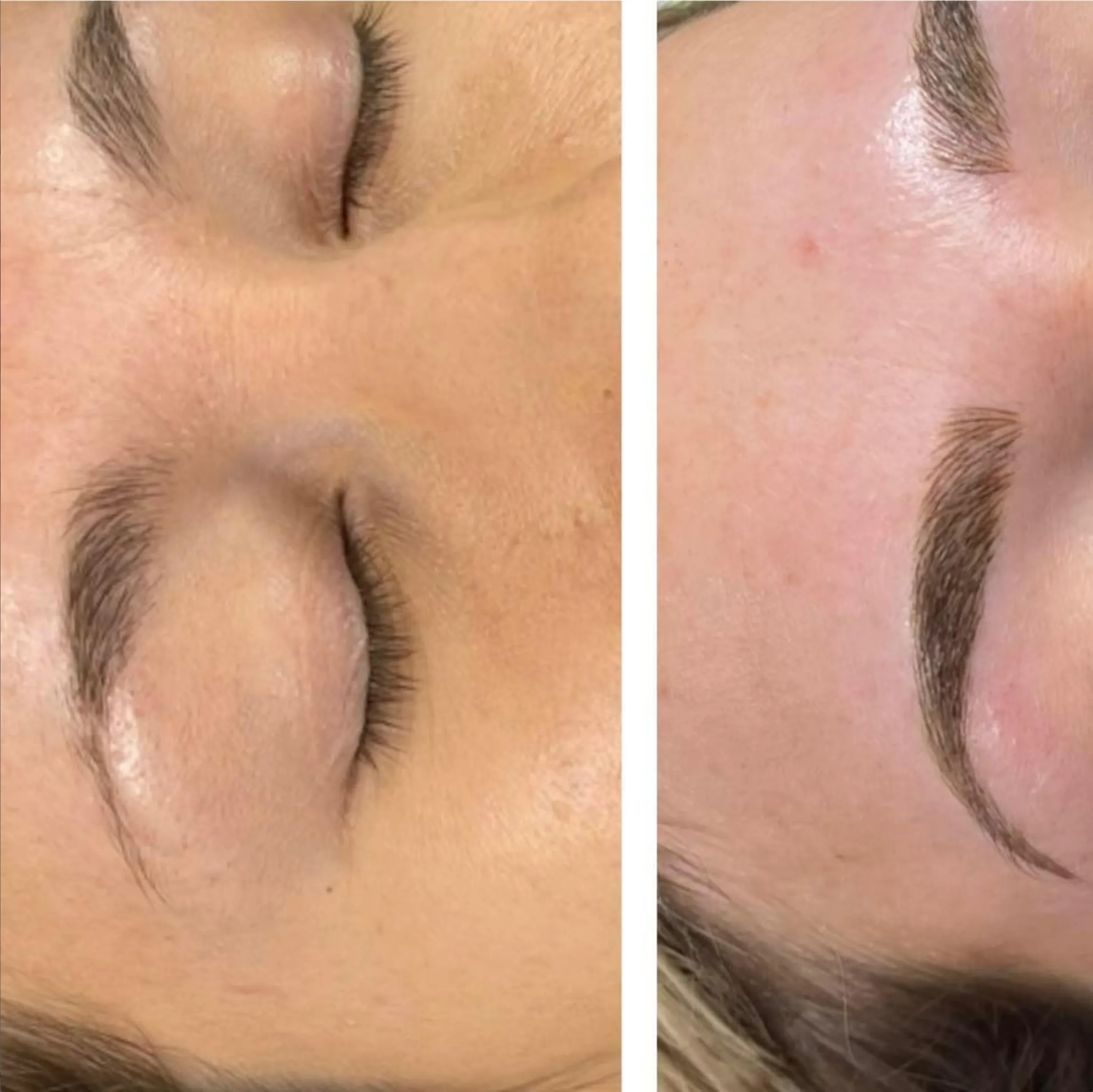
Part-time learning is a total no-brainer in a busy city like Melbourne. It gives you time to absorb skin anatomy, understand skin undertones, and produce more predictable semi-permanent makeup results. I’ve found that students training part-time often do better because they refine their technique slowly and deliberately.
It’s common for beauty therapists who’ve completed teeth whitening training to add microblading to their skillset, because the services work well together in a busy studio environment.
Microblading rewards patience. When you’re not rushing, you can focus on brow design, confident blade pressure, and other essential techniques. Many students say the part-time approach helped their hairstrokes heal more evenly and made them more confident working with a wide range of clients.
How Training Can Fit Around Busy Work Hours
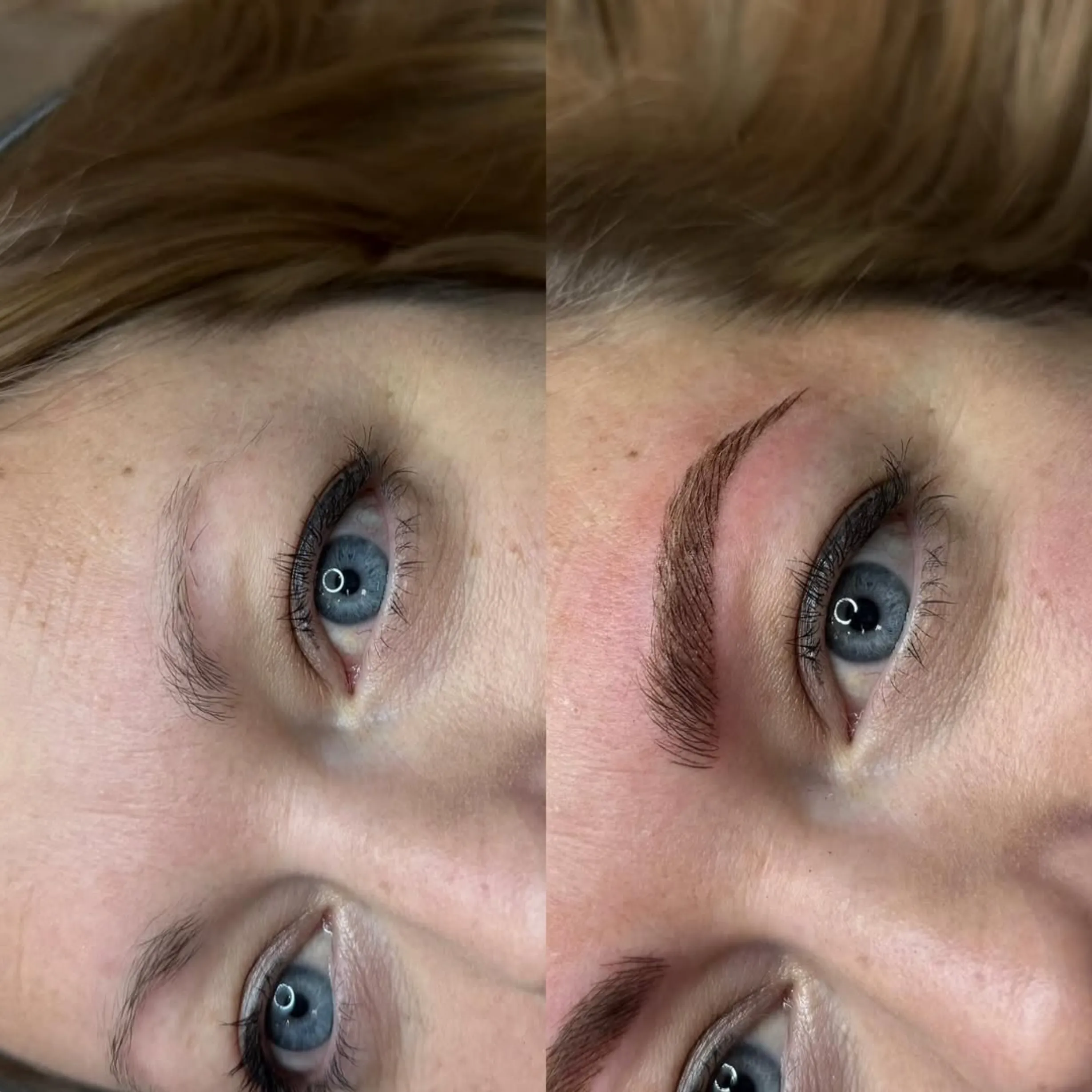
Most Australian training courses follow a hybrid model, which usually includes:
- Online pre-course work covering safety and bloodborne pathogens
- Weekend practical sessions focused on eyebrow tattooing and blade handling
- Latex practice sessions to build muscle memory
- Supervised live models scheduled around your work roster
If you’ve already done a laser hair removal course, you’ll be familiar with client preparation, safety and record-keeping — all of which translate well into microblading.
You don’t need to give up your job. You just need a few hours a week for theory work and a dedicated practice slot — even if it’s on the couch with a microblading kit and practice pad. In Melbourne, many students study on weeknights and use weekends for practical work or assessments.
Typical Time Commitment (Realistic, Not Sugar-Coated)
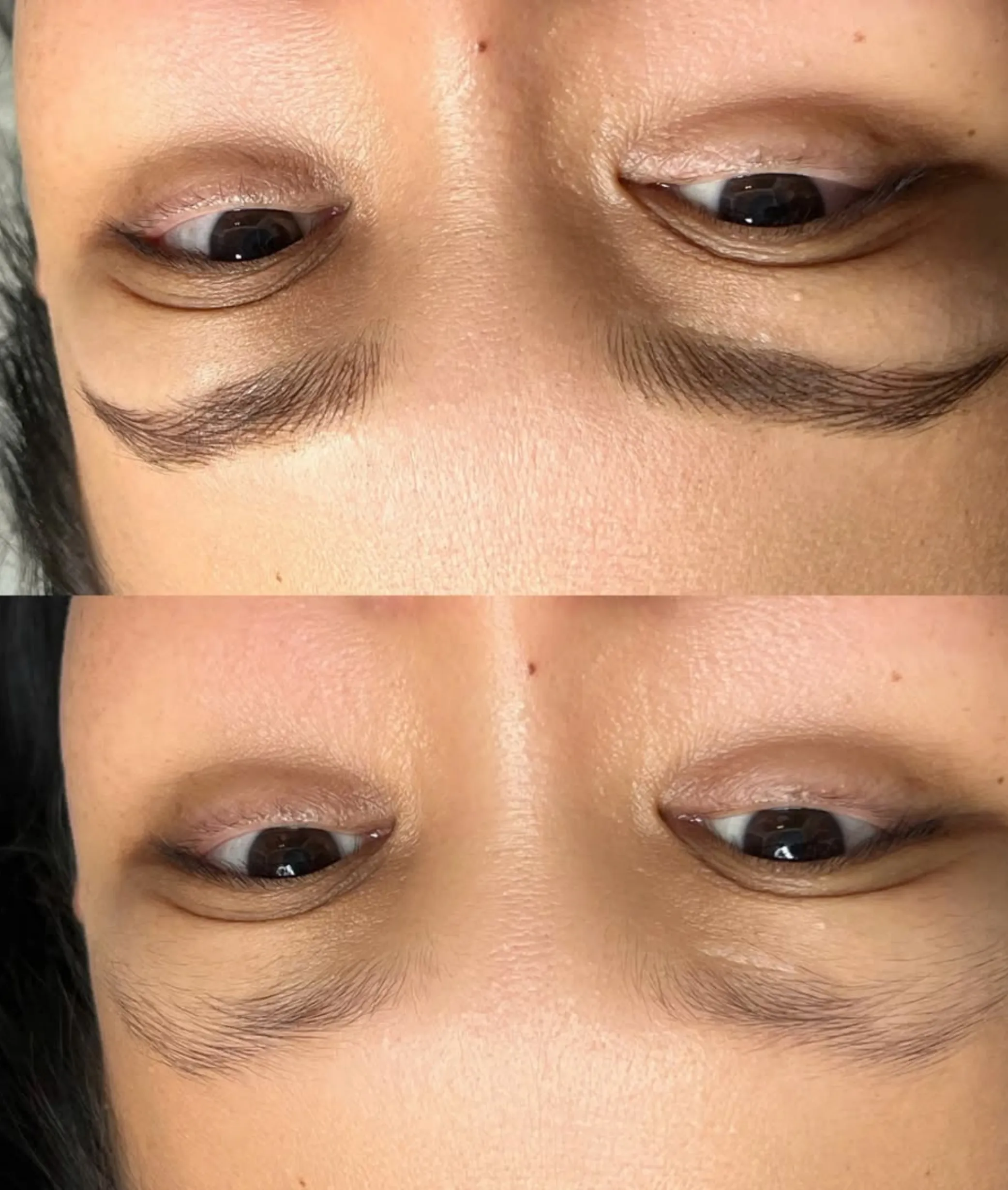
| Training Component | Typical Hours Required | Part-Time Breakdown (Per Week) |
|---|---|---|
| Online theory (pre-course training, safety, colour theory) | 20–30 hrs | 3–5 hrs |
| Brow mapping & brow shaping practice | 10–15 hrs | 1–2 hrs |
| Stroke pattern development | 15–25 hrs | 2–3 hrs |
| Live eyebrow tattoo models | 2–4 models | 1 model per fortnight/month |
| Post-training mentorship | As needed | Flexible |
Students coming from laser hair removal courses usually pick things up faster — they’re already familiar with skin biology and contraindications.
Most students complete their initial microblading certification in about 8 to 12 weeks. While full-time study has its benefits, part-time learners often develop stronger technique due to the slower, steadier pace, leading to better pigment control and consistency.
Essential Skills To Master Before Clients
Part-time or not, there are non-negotiable fundamentals you must master:
Fundamental Brow Mapping Stuff
You’ll learn how to map brows using the golden ratio, face shape analysis and client preferences. Most part-time students map 20–30 practice faces before working on real clients.
Skin Anatomy & Pigment Behaviour – Don’t Mess This Up!
You must understand how strokes behave across different skin tones and undertones, especially in a diverse city like Melbourne. This knowledge explains why pigment retention can be unpredictable.
Tool Control & Practice – The Nitty Gritty
Developing consistent blade pressure requires deliberate practice using a manual pen and latex practice pads.
Infection Control & Safety – Can’t Stress This Enough
You’ll cover bloodborne pathogens, infection control, cleaning standards, and maintaining safety throughout a client consultation.
Photography & Documentation – You Need to Get Good At This
Good client photography helps you track results, refine your technique, and build a portfolio that genuinely reflects your work.
Balancing Work And Microblading Study
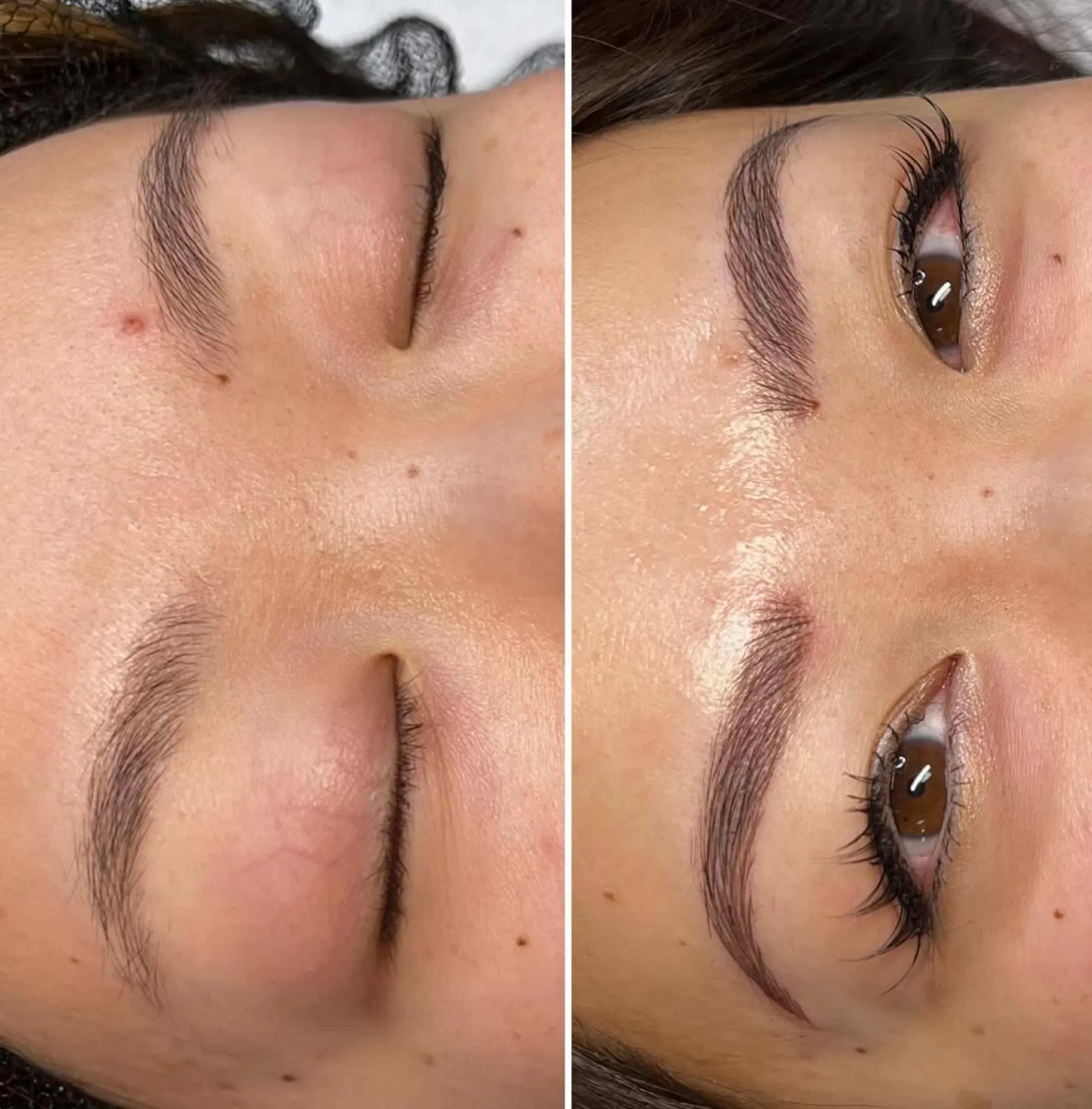
Balancing work and microblading training is actually doable – it just takes some planning. Here’s a routine I’d recommend to new students:
- Two set weekly practice blocks
- Weekend sessions for supervised practice or working on live models
- Keeping a simple progress notebook
- Practising on latex pads during lunch breaks
- Reviewing your training manuals bit by bit
This is basically how most full-time working students manage to become confident microblading artists within three months.
Real Student Stories From My Melbourne Studio
One student worked full-time in childcare and still managed to fit in training on evenings – she got her model requirements done in six weeks and now offers eyebrow tattooing on the weekends.
Another student – a dentist – loved the precision of microblading so much she ended up training part-time and found the skin anatomy side of things pretty familiar. She’s now offering permanent brow services in her clinic two days a week.
What these stories show is that the schedule is flexible enough for any motivated learner who’s serious about putting in the effort.
What To Look For In A Course
If you want to make sure your training genuinely supports your goals, look for courses that offer:
- Flexible scheduling
- Supervised live models
- Comprehensive skin anatomy and Fitzpatrick scale education
- Colour theory and pigment selection training
- Strong safety modules
- Access to mentorship
- Latex practice and real brow mapping guidance
Just remember to steer clear of programs that rush you through without proper technique, safety and mapping guidance.
Is This Training Format Enough To Start Your Career?
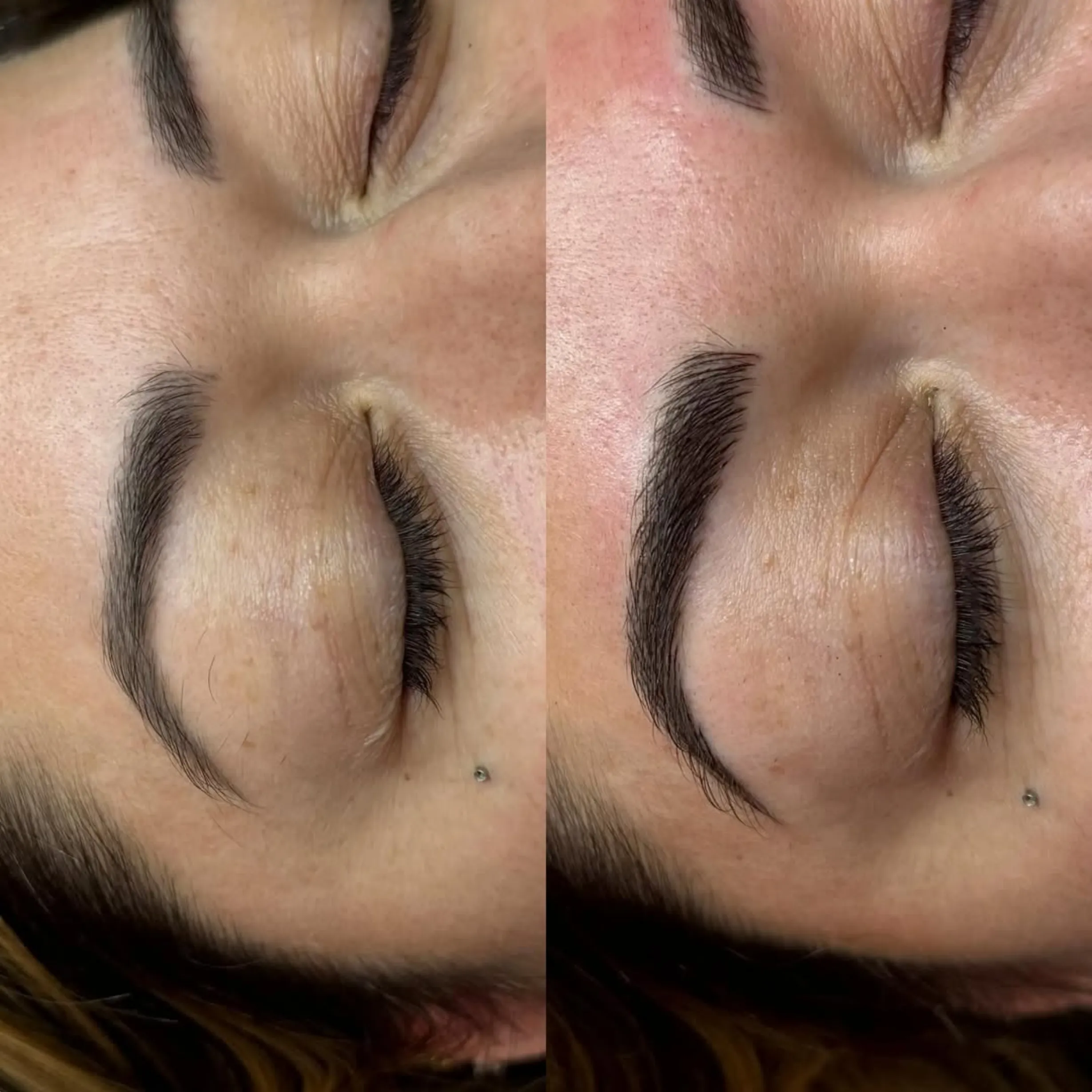
Yes, many of Melbourne’s top microblading artists started their careers part-time. What really matters is regular practice, steady progress and quality feedback. Microblading is a delicate art that involves real skin, blades and pigment, so it needs to be taught with care.
Once you feel confident in your ability to map brows, create precise strokes and work with model cases, you can move into part-time salon work or even full-time permanent makeup services later.
Part-time study lays down a solid foundation. Regular practice is what gives you mastery of the craft.
You Can Train & Succeed Brilliantly
If you’re juggling work, family, study or all three, doing a part-time course is not only possible – it might even give you an edge as an artist. With a solid routine, a supportive trainer and consistent practice, you can build a new career in cosmetic tattooing or permanent makeup while keeping your current job.
If you’d like straight-up honest advice or help choosing the best path for you, get in touch with Cosmetic Tattoo Studio Melbourne Face Figurati – we’ll support you long after your course is done.
FAQ
Do I need any experience to start a microblading course?
No way – most people start as complete beginners with no background in beauty or tattooing. A good course includes pre-course training on safety and skin science.
How many live models will I need for certification?
2–4 models, usually, depending on the course.
Will I learn brow mapping in a part-time course?
Absolutely – both beginner and advanced programs cover brow mapping and brow shaping.
Do part-time students get enough practice?
Yes. With real model sessions and consistent practice, you’ll build strong muscle memory – not just on fake skin.
Can I offer permanent makeup services straight after training?
You can start taking clients once you’ve completed your microblading certification, but continued mentorship is a smart move.