What Should I Pack for a 4WD Safari Tour in the Northern Territory?
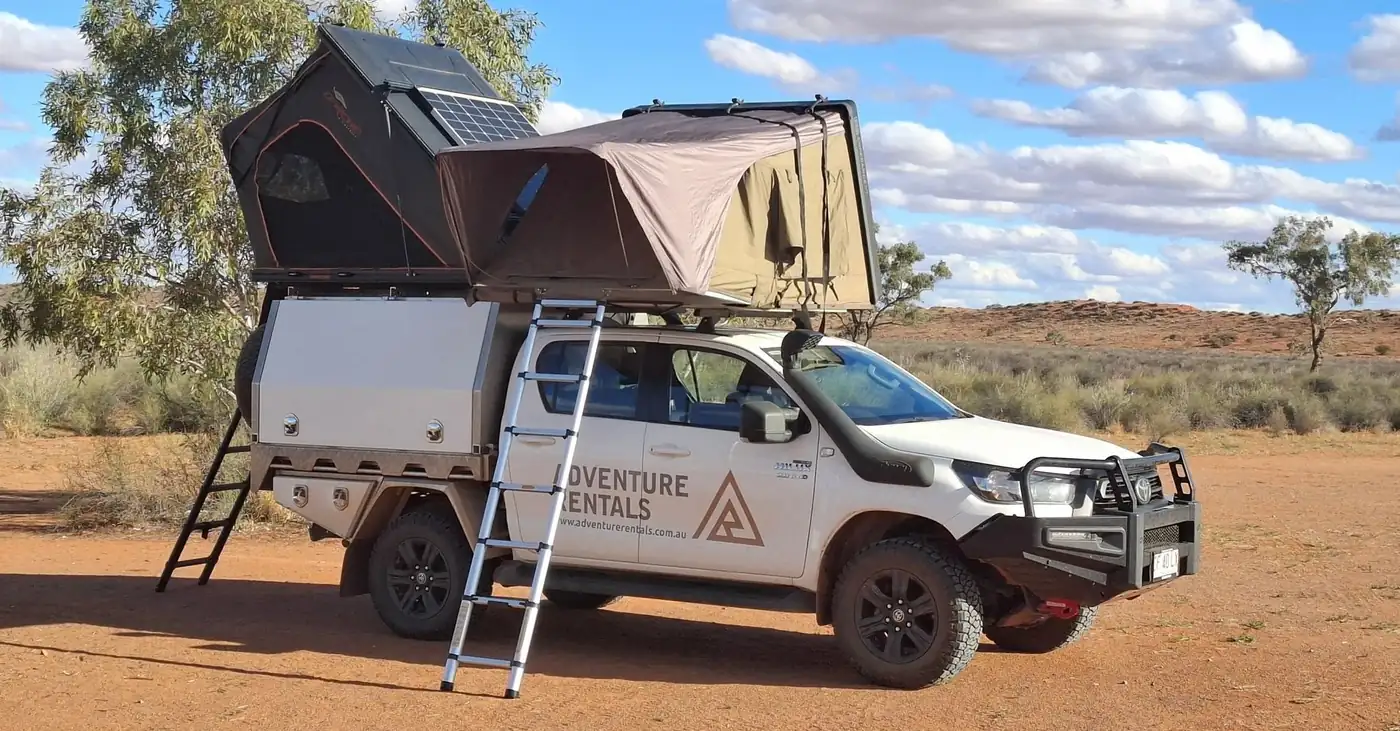
What to Pack for a 4WD Safari Tour in the NT? It’s the one thing everyone asks when they’re booking their Northern Territory tour from Darwin, and quite rightly so. I’m Paul Beames, I’ve spent years leading trips out to the Top End and Central Australia, and I’ve learned that packing the right gear is not about taking loads of stuff – it’s about bringing the essentials.
This guide is all about real-world touring – days on the go over long distances, with services a long way off and the weather dictating the pace. Whether your tour operator is Autopia Tours or someone else, being well-prepared will make all the difference between a fantastic adventure and a gruelling slog in the heat and dust.
Contents
- 1 The Country Tells You What You Need
- 2 Clothes That’ll Actually Help You
- 3 Footwear That’ll See You Thru
- 4 Everyday Personal Gear
- 5 Health, Safety & Making Contact When There’s No Signal
- 6 Sleeping Gear and Making Camp Comfortable
- 7 Getting a Handle on the Vehicle Side of Things
- 8 Navigation and Essential Tech
- 9 Permits, Payments and Paperwork
- 10 Food and Energy on the Road
- 11 How Your Route Affects Packing
- 12 Quick Packing Snapshot
- 13 Why Getting This Right Makes a Big Difference
- 14 One Last Thing to Remember From the Track
- 15 FAQ
- 15.1 Do I always need specialist comms gear?
- 15.2 Can I count on having mobile reception for the whole trip?
- 15.3 Are all the swimming holes on the trip safe to swim in?
- 15.4 Do I have to bring my own camping gear, or will it be provided?
- 15.5 Do I need to pack differently for longer cross-border trips?
The Country Tells You What You Need
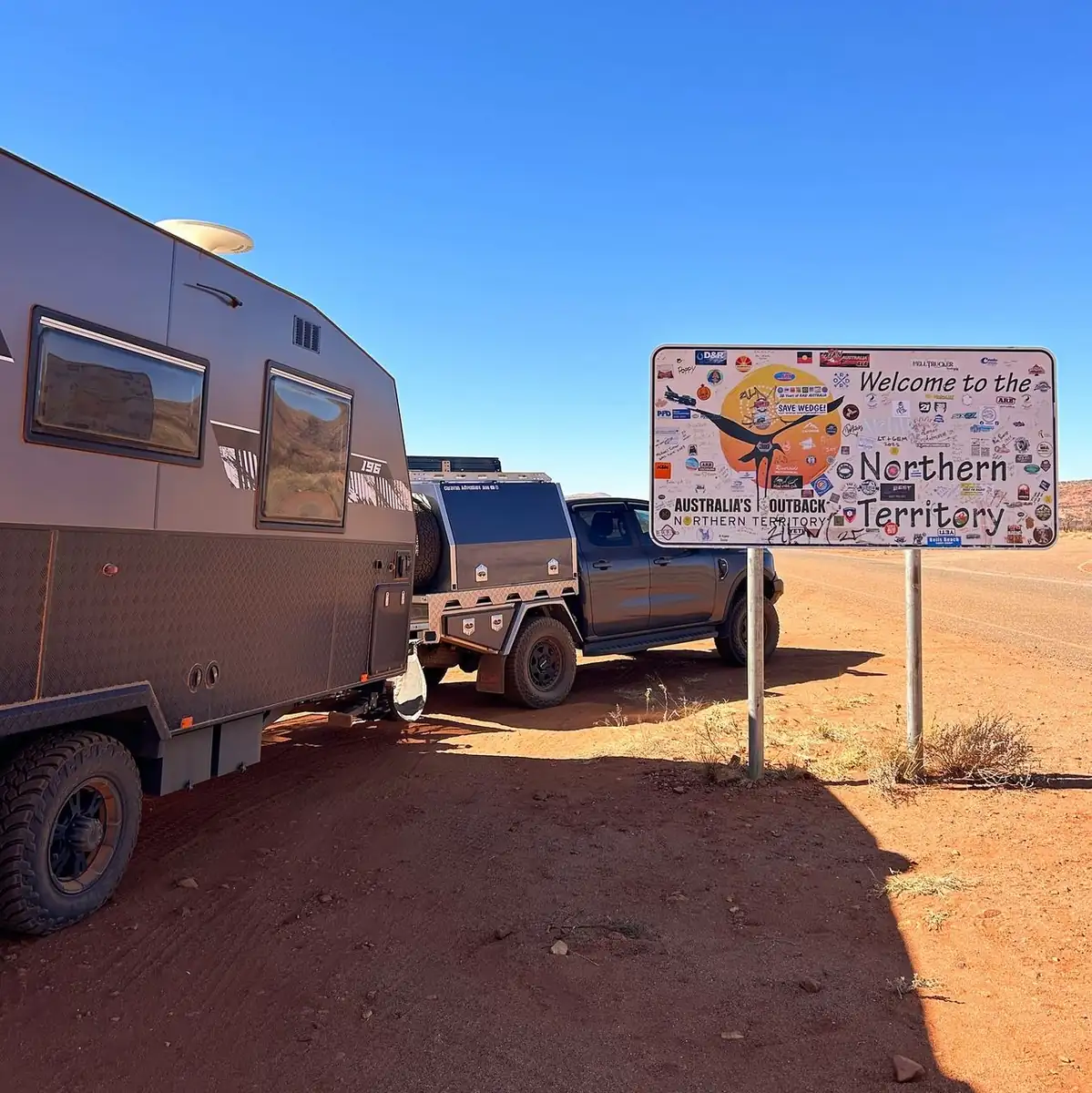
The Northern Territory is a big and varied place – it’s a mix of floodplains, gorges, deserts and escarpments – so what you pack needs to reflect that.
In the north, Kakadu and Litchfield are like a whole different world – humid, full of waterfalls and insects, so your gear needs to be up to that. Down south, near Alice and Palm Valley, it can get cool at night even if it’s hot during the day. And then there’s the rain – the Top End gets a lot, mostly between Nov and April, so river crossings like Cahills can shut down at the drop of a hat. You need to be prepared for a range of conditions.
Clothes That’ll Actually Help You
Ditch the ‘fashion first’ attitude – this gear needs to do its job. Light long-sleeve shirts are way better at keeping the sun and insects off than a singlet. Quick-drying trousers will handle sweat and splashes in creeks just fine, while a decent hat that covers your face and neck will be your new best mate by mid-morning. And don’t forget your swims – you’ll need them for waterholes like Edith and Twin Falls.
Bring a warm layer too – desert nights can be pretty chilly, even in the north. You may be outside the main hubs, so be prepared.
Footwear That’ll See You Thru
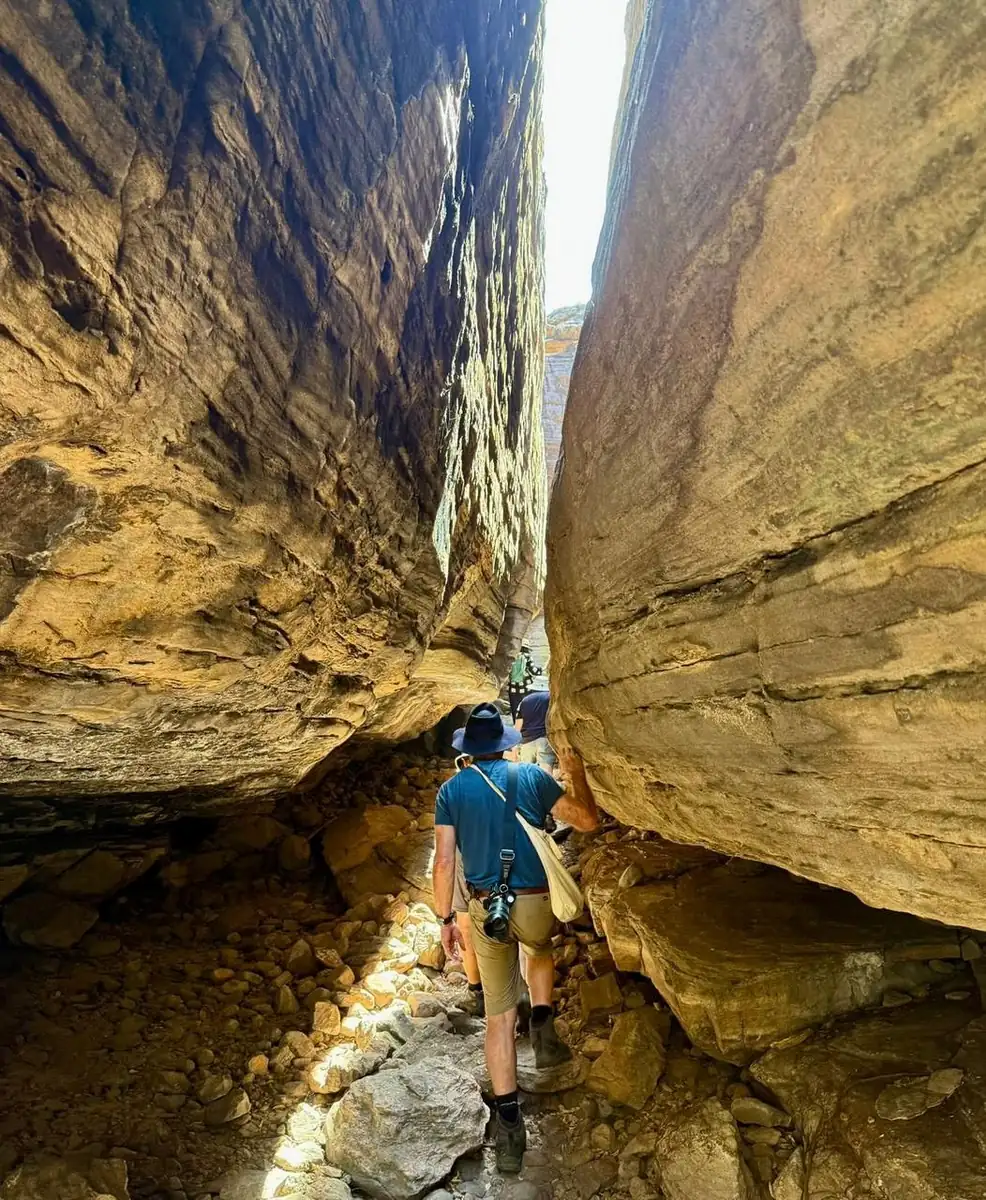
If you’re heading out to places like Ubirr Rock or walking around Katherine Gorge, you’ll want proper shoes. Sturdy walking shoes will keep your toes safe on rocky ground and slippery riverbanks. Thongs are fine around the camp or caravan park, but not much use elsewhere. And don’t forget good socks – they won’t last long in the dust and heat, so bring a bunch.
Everyday Personal Gear
This is the stuff that’s always within arm’s reach of keeping you comfortable.
A refillable metal water bottle is a must-have – even the most seasoned guides will tell you to carry at least three to five litres a day when it’s scorching hot outside. And don’t forget your sunglasses, a small backpack that’ll get a fair few knocks, and a headlamp that’ll see you through those early morning wake-ups. Microfibre towels and wet wipes are very useful when you’re not exactly showering as you do back home.
Always bring along rubbish bags – you don’t want the places you visit to get trashed after you leave.
Health, Safety & Making Contact When There’s No Signal
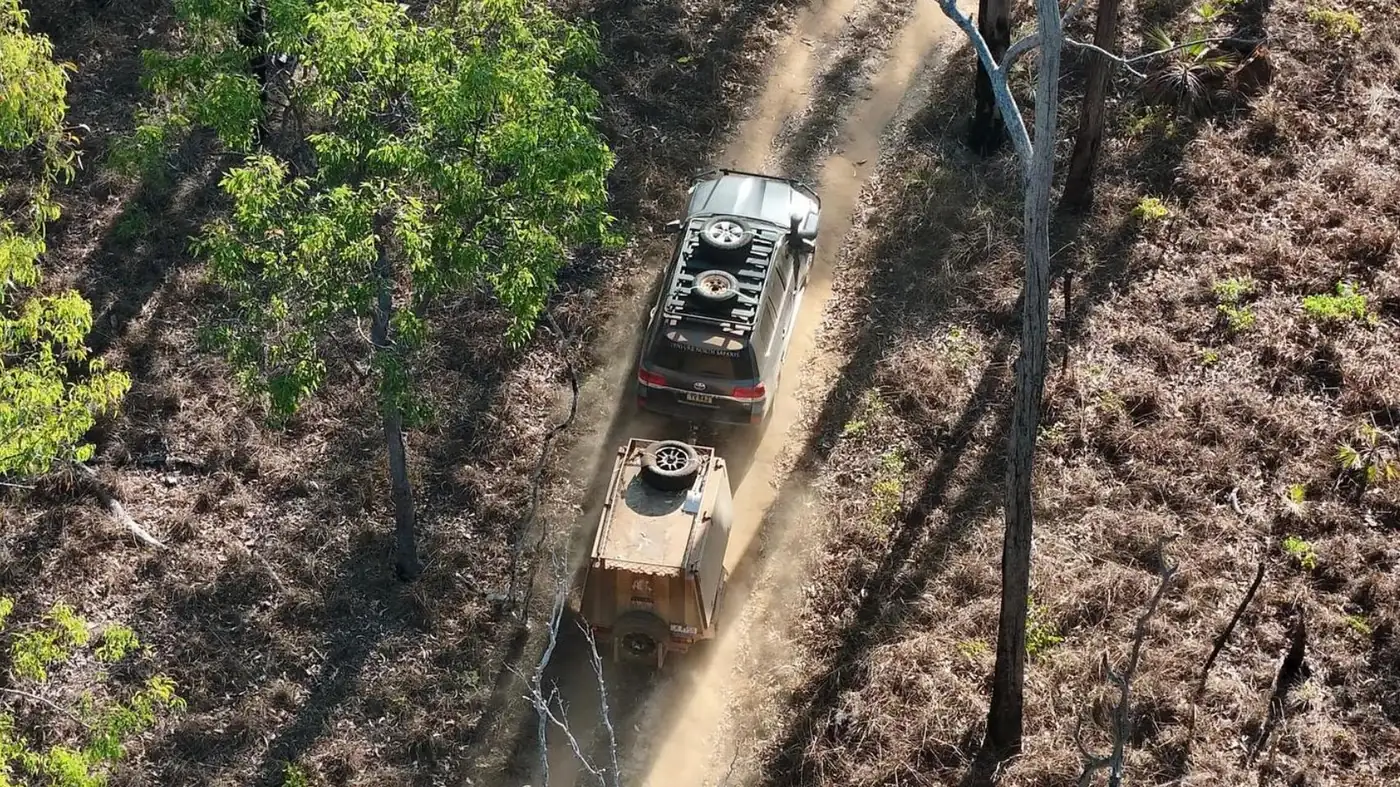
Out in a remote country, mobile coverage is dodgy at best and WiFi’s usually a no-go once you’re out of the main towns.
You’ll need to bring sunscreen, insect repellent, any personal medications, and a basic first-aid kit. The risk of injury is relatively low, but heat stress and dehydration are far more common issues on these trips.
If you’re tackling longer or more remote routes – like those northern territory tours that start in Darwin – some operators will bring a satellite phone along for the ride. Some even have multiple ones scattered around the convoy, but don’t assume that – always ask what’s available before you head out.
If you’ve got a CPAP machine to keep you breathing, give some thought to power availability – if your vehicle’s got a dual battery system, it might just be able to run it, but there’s no one-size-fits-all answer here.
Sleeping Gear and Making Camp Comfortable
Some tours will provide swag, but often you’ll be expected to bring your own sleeping gear. Either way, don’t skimp on comfort – it’s way more important than saving space in the back of the ute.
A sleeping bag that’ll keep you warm on cooler nights, a lightweight sheet to keep you off the ground, and a small pillow should make all the difference. And let’s be honest, bush camping in a spot like Lorella Springs or deep in the heart of Nitmiluk National Park can get pretty chilly after dark, even if it was a scorcher during the day.
Getting a Handle on the Vehicle Side of Things
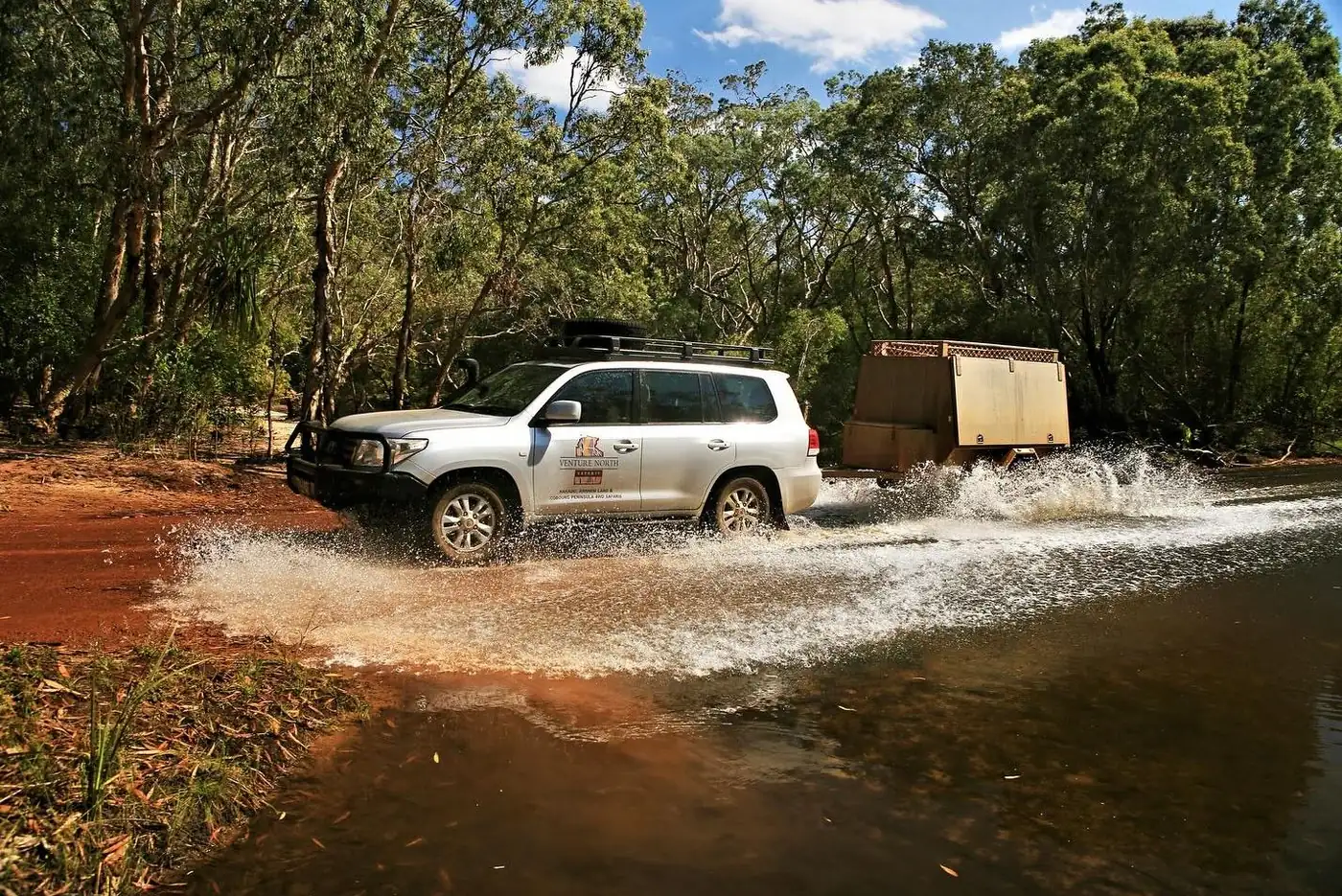
Even if you’re not behind the wheel, understanding the basics of remote vehicle operation is worth knowing.
Your guides will monitor tyre pressure, check the wheel bearings, and ensure the oil and transmission fluid levels are adequate. And to be honest, it’s not just about the vehicle itself – these remote vehicles will often have spare parts, a solid toolbox, water tanks on board and all the recovery gear you could need – all of this is pretty critical when you’re sharing the road with road trains.
Once you get off the main highway – in this case, the Stuart Highway – signal drops fast.
You’ll need a way to navigate when there’s no signal. A good off-road GPS paired with Hema maps is still the best option out here. When you run out of power, a good power bank and a vehicle charger will keep your phone and camera going a little longer.
Some operators – including those doing the Savannah Way route – will give you a detailed set of trip notes, so you know what to expect each day.
Permits, Payments and Paperwork
Paperwork isn’t really anyone’s cup of tea, but it is absolutely crucial.
You’ll usually need to get your hands on an NT Parks Pass when visiting national parks, and don’t forget to factor in the extra permits required for accessing Aboriginal lands. Always keep a bit of cash handy as well as a credit card – it pays to be prepared for when cash isn’t an option in remote areas.
Sites featuring Aboriginal Rock Art are so much more than just an attraction; they’re living, breathing cultural places that deserve respect. When visiting any of these sites, follow the guidance provided by Aboriginal Cultural Centres and check for any access restrictions.
Food and Energy on the Road

If you’re on a multi-day tour, meals are likely included. And some tour operators will even surprise you with a nice sit-down dinner, all carefully planned out. However, even with set meals, don’t forget to pack snacks for long drive days.
Things like electrolyte sachets, nuts and protein bars can be lifesavers when you’re driving through the heat.
How Your Route Affects Packing
Some travellers extend their NT trip by adding WA highlights such as the Bungle Bungles or Mitchell Plateau, or by linking it to a longer Kimberley tour. Others compare and contrast conditions with trips to Cape York, The Tip or the Cape York Peninsula.
Each region has its own set of challenges, but the NT seems to strike just the right balance: remote enough to demand a bit of respect, but accessible enough that with a bit of planning, you can still make the most of it.
Quick Packing Snapshot
| Area | Key Items |
|---|---|
| Clothing | Sun-safe layers, warm top, swimwear |
| Health | Sunscreen, repellent, medications |
| Tech | Power bank, off-road GPS |
| Safety | Satellite phone, first-aid kit |
| Documents | NT Parks Pass, ID, credit card |
| Camp | Sleeping bag, rubbish bags |
Why Getting This Right Makes a Big Difference
When your gear is all good, you stop worrying about it. You notice the stillness at secluded swimming hole after a long, hot walk. A lack of decent prep can drag you out of that perfect moment, though.
Good packing is just something you don’t think about – exactly as it should be.
One Last Thing to Remember From the Track
Doing a 4WD safari through the Northern Territory is a real treat, but only if you come prepared and show some respect. Pack for the long distances, the heat, and the unpredictability – and don’t be afraid to listen to local advice. Plans can change in an instant, so be flexible.
If you’re trying to choose between operators – whether it’s the bigger names like Autopia Tours or one of the smaller outfits like Instyle Adventures, Sacred Earth Safaris or Hema Tours – make sure you read the fine print. Some will offer a Member Benefit or a promo code, while others will bundle gear differently. What really matters out here is the logistics, not the labels – especially on popular northern territory tours from Darwin.
FAQ
Do I always need specialist comms gear?
The truth is, most remote operators will have a satellite phone, but check first – the small print varies.
Can I count on having mobile reception for the whole trip?
No way – it quickly drops off once you leave town, and don’t even get me started on WiFi.
Are all the swimming holes on the trip safe to swim in?
Only swim where your guides advise. Conditions can change in an instant, and you must follow the crocodile warning signs.
Do I have to bring my own camping gear, or will it be provided?
Some tours will provide everything you need; others expect you to bring your own gear. Check your trip notes carefully.
Do I need to pack differently for longer cross-border trips?
You bet you do – trips that link the NT to the Kimberley or the Savannah Way are going to require a lot more planning and some backup just in case.