Fine Line Tattoo Healing On Bushfire Scars NSW: What You Need To Consider First
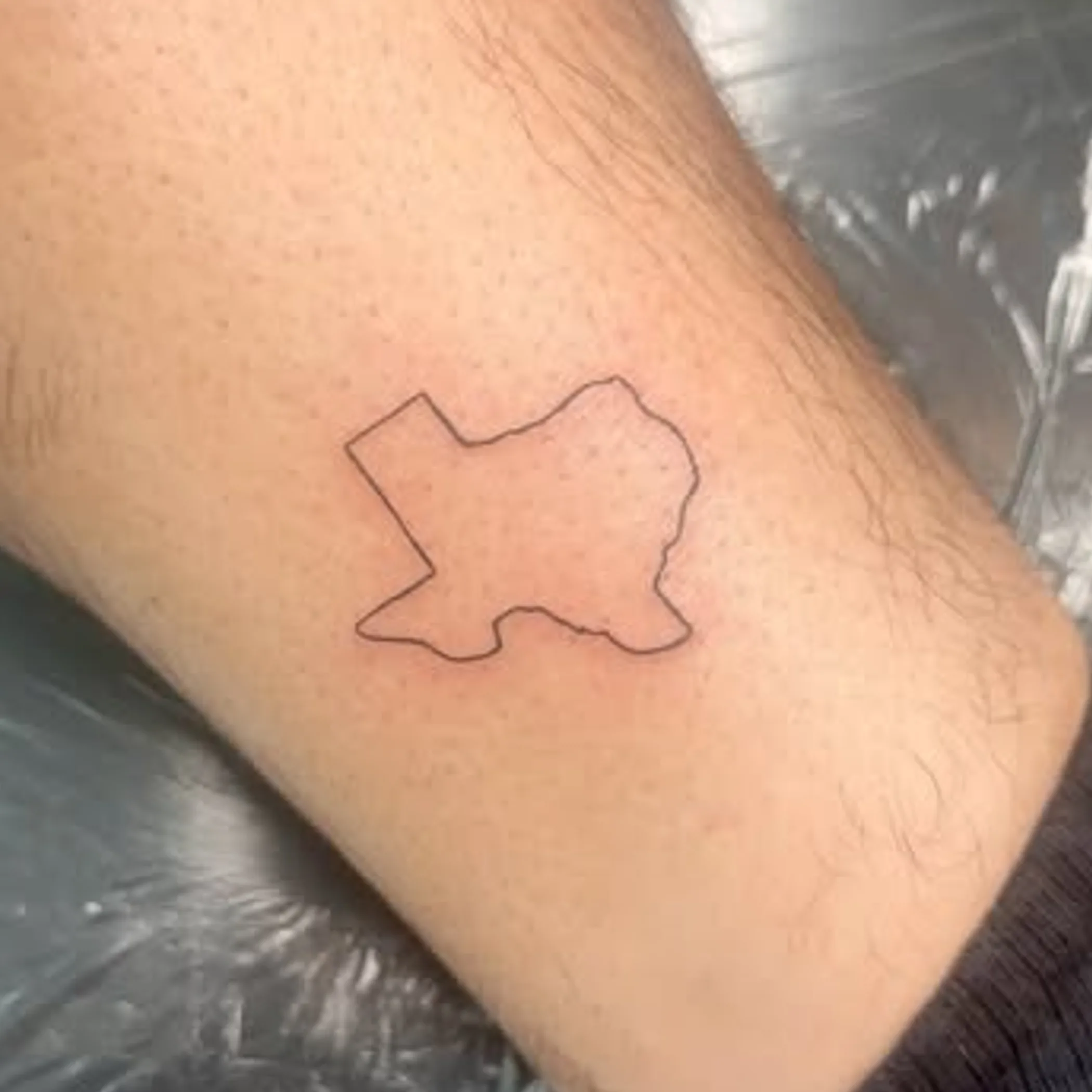
Fine line tattoo healing on bushfire scars in NSW is possible, but it’s not a straightforward process that’s automatically safe or suitable for every single scar. I’m Uliana Kasperska, and the honest truth is this : there are definitely known problems associated with fine line tattooing on scars, especially when the ink just doesn’t seem to hold in the scar tissue, healing’s delayed, lines get all patchy, and sharp flare ups can occur in scars that are still loads raw, raised, tight or still a bit reactive.
We get a lot of clients from regional NSW coming through our studio in Brisbane after they’ve relocated, travelled, or had treatment elsewhere. And the one thing we’ve come across is that people often assume that because a scar looks all healed over, it’s good to go – but that’s just not the case. Fine line tattoo healing on bushfire scars is a complex thing that depends on loads of factors – how mature the scar is, what kind of texture it’s got, how deep it is, what colour it turns, how your skin behaves in general, and what experience the artist has with working on scarred skin rather than just standard fine line tattooing.
Contents
- 1 A Realistic First Look
- 2 What Studios Are Reporting:
- 3 Why Does Scar Tissue Heal So Differently ?
- 4 How Texture Changes The Ink
- 5 Timing – Not a Minor Detail
- 6 When Fine Line Work Can Actually Work
- 7 People Who Might Actually Be Good Candidates For Tattooing
- 8 When Another Option Makes More Sense
- 9 How We Do It Properly
- 10 What We Check First
- 11 Experience Beats Trend Training
- 12 Healing Reality Week By Week
- 13 Preparation and Aftercare That Reallly Matter
- 14 Choosing The Right NSW Artist
- 15 Things You Should Definitely Ask
- 16 Our Honest Lowdown
- 17 FAQ
- 17.1 Is tattooing over scar tissue a risk?
- 17.2 When is scar tissue ready to be tattooed?
- 17.3 How long do fine line tattoos take to fully heal?
- 17.4 What does a fine line tattoo cost in Australia ?
- 17.5 Can bushfire scars actually hold onto ink ?
- 17.6 What do I do if I only want one tattoo session?
- 17.7 Is paramedical tattooing better than getting a decorative tattoo?
A Realistic First Look
If you’re looking into this after an injury, surgery or scar revision, I get it – all you want is a straight talk, no fluffy studio chat – and no pressure to book a session before checking out your skin first.
The picture across Australia right now is pretty consistent: sure, some regional studios will do fine line tattoo work on scarred skin in NSW, but experienced artists are usually being careful, recommending a longer waiting period, and often suggesting paramedical tattooing or scar camouflage over a decorative fine line design.
What Studios Are Reporting:
Most common healing complications you’d come across with scar tissue cases are generally things like broken lines, uneven fading where the new ink just doesn’t stand a chance against the existing scar tissue, and you end up with blowouts around the thickest parts of the scar or areas where the skin just grabs onto pigment way too hard. It’s quite common to see skin that either rejects the pigment outright, or on the flip side, it just latches onto it way too much in weird spots. And let’s be real, the raised vs flat scars make all the difference here. It’s usually a whole lot easier to work with those flat, pale, settled scars rather than thick, shiny, hypertrophic scar tissue.
What can really catch people off guard is when the tattoo looks great on that first day, and then by the two week mark it starts to look really patchy. We’ve seen that kind of deal play out even in cosmetic tattooing when skin has been pretty badly traumatised beforehand. And the thing is, skin that’s been through trauma behaves very differently to untouched skin when it comes to holding onto the ink – and that’s where people need to really get their expectations in check.
Why Does Scar Tissue Heal So Differently ?
Normal skin and scar tissue are hardly the same thing – that may sound obvious, but we still get plenty of people coming in thinking a fine needle and a small design is going to equal a risk-free result. Unfortunately, often it doesn’t.
When you’ve got scar tissue, your skin can be tighter, thinner, thicker in some places – in some weird areas it can even be shiny, numb or, on the flipside, super sensitive. And that changes everything – both the ink application and how it heals.
How Texture Changes The Ink
The way that ink holds onto scar tissue is really all about the texture of the scar – is it smooth and pliable or all stiff and fibrous? You can also get scars with zones in them – where one section will take to the ink just fine, but the next section just fades and another bits starts to spread. This is all part of why one-session results often just aren’t realistic.
If You only get one sitting, top of the list should be to get the design readable, not get bogged down in super fine details. Tiny decorative lines are usually the first things to get lost when the skin isn’t healing smoothly.
Timing – Not a Minor Detail
The general rule of thumb for how long to wait before getting a tattoo over scar tissue (12-18 months) still holds for a lot of people and some scars just need a bit longer. Burns from bushfires can leave a lot to deal with – grafts, contractures, changed skin tone, nerve sensitivity, and ongoing treatment. If the area is still red, itchy, shiny, raised or changing, we usually say to give it a bit longer yet.
| Scar Analysis | Lower-Risk Signs (the good news) | Higher-Risk Signs (the not-so-good news) |
| Maturity | The colour’s stable and hasn’t changed recently | Still pretty pink or red, and/or itchy or active |
| Surface | Flat and soft to the touch | Raised, shiny, tight or a bit lumpy |
| Sensation | Pretty normal sensation, but a bit off | Really painful, numb, or unpredictable |
| Healing Prospects | A good chance of healing okay | Healing’s patchy or not great |
| Best Course of Action | Simple design or break it up into stages | Delay, camouflage the scar, or come back and review |
When Fine Line Work Can Actually Work
There are some cases where tattooing over a scar can heal well enough for a simple, yet tasteful design. We’ve seen better results when the scar’s mature, pale, flat and no longer needing any treatment.
And the key word there is tasteful. Don’t go for something flashy for its own sake. A design needs to complement the scar, not fight it.
People Who Might Actually Be Good Candidates For Tattooing
Clients that do best with our treatments are the ones with a level-headed approach in the first place, no history of keloid scarring, and a nice settled scar thats been given time to mature, theyre also keen to come back in and see how it’s going or perhaps do a follow-up session. We also want to know if you’ve ever had any previous laser treatment, skin grafts, steroid injections or other sorts of scar revisions.
In practice though, we tend to be a bit more careful with anyone thats prone to forming hyper-trophic scars, has super reactive skin, has a history of autoimmune problems, or has just spent too much time in the Qld sun following treatment. Brisbane can be hot and humid but regional NSW in the middle of summer is a whole different story if you’ve got to go outside and work all day, or get in the sun a lot.
When Another Option Makes More Sense
A scar cover-up tattoo might be the perfect choice for some people, but others are better suited to a scar camouflage tattoo, paramedical tattoo work, or even some inkless methods that focus on texture support rather than a picture to look at. Just because someone wants a delicate floral line doesnt mean a bushfire scar is the right canvas for it – and thats okay, its not failure, its good sense.
How We Do It Properly
This part of the process is way more important than the actual design. A good artist should always assess the scar in person if possible, ask lots of questions about your medical history, and be willing to say no, or at the very least, not yet.
Weve had clients come in dead set on a delicate floral line, only to find out that the skin is going to heal in three different ways across the same area – its not the answer anyone wants to hear, but its the honest one.
What We Check First
Just how old is the scar, and is it still undergoing some changes
Does it lie flat, or is it raised, grafted, tight, or super sensitive
We also want to know a bit about keloid risk or hypertrophic scarring
And how about sun exposure, all that sweating and friction, and your job
Medication use, any issues with your immune system and whether you’ve had any recent skin treatments
Can paramedical tattooing be a better option than doing decorative work
Experience Beats Trend Training
It’s a case where the artist’s background really matters. Finishing a fine line tattoo course is one thing, but having years of hands on experience dealing with trauma affected skin is a whole different ball game. We’re saying that nicely, but straight out. Beginner artists often get caught up in making the design look good; experienced artists think about how the skin behaves, getting the depth right, how to prevent things scarring, and sometimes whether they should even be doing the treatment at all
Healing Reality Week By Week
The reality of healing Week by Week is that most people want a simple timeline, but with scarring its not quite that simple. Healing can be a lot slower, more patchy, and more sensitive than with standard fine line work
Here’s the kind of realistic info we share with clients
| Stage | What You May Notice | What Needs Attention |
| Days 1-3 | redness, a bit of swelling, warmth | too much pain, redness that’s getting worse, discharge |
| Days 4-10 | dryness, flaking, lines looking dull | going to town on it, cracking it, getting irritated from friction |
| Weeks 2-4 | patchiness starts to show up | uneven healing, you can see where pigment’s been lost |
| Weeks 4-8 | skin starts to settle, true colour shows up | if lines are vanishing or the scar’s getting thicker, maybe you need to do something about it |
| After 8 weeks | planning a touch-up if needed | if the skin is being reactive, maybe just leave it alone for a bit |
Preparation and Aftercare That Reallly Matter
Try to avoid getting sunburned or having a new exfoliation treatment in the time leading up to your appointment – it’s not worth risking any complications.
Wear loose, comfy clothes over the area we’ll be working on and just take it easy for a few days – keep the sweat and friction to a minimum.
In the initial healing stages, just keep the site clean and dry, and try to keep it out of direct sunlight.
Don’t obsess over picking at flakes or slathering on too much moisturiser.
If you notice anything out of the ordinary – like unusual swelling, or a nasty looking discharge, or if the pain is getting worse – give your artist a call or get in touch with a medical pro.
Choosing The Right NSW Artist
Service options can be a bit tricky to come by outside the big cities, and it turns out not all regional artists are equally experienced in dealing with scar tissue and grafted skin.
When you’re sifting through portfolios looking for the right person, don’t just look at the ‘after’ photos. Ask for examples of healed tattoos on scar tissue – those fresh ones can look pretty cool, but healed ones will give you a true idea of what to expect.
Things You Should Definitely Ask
Ask about how often they work on scars, whether they do a proper assessment to work out how mature the scar actually is, what they do if the ink doesn’t take properly, and if they offer up staged sessions or one-off treatments. Ask about their approach to hygiene, how they set up their equipment, if they do patch tests and all that jazz, and what makes them think it’s time to reschedule an appointment.
At the time of writing, you might also stumble across names such as 2012 Tattoo Company, Spider Garden Tattoo Studio, Arts.byF, Scarless Artistry, SkinConceal, Soul Purpose Tattoo, Mark D Tattoo, FLT Tattoo Studio & Traza when researching top tattoo parlours in NSW. The real test is finding out if the artist can show you examples of their healed scar work and give you a straight-up rundown on the risks involved – no beating around the bush.
Our Honest Lowdown
So – is there are any problems with fine line healing on skin that’s had bushfire scars done in regional NSW studios? Absolutely there are. Main concerns are things like patchy healing, poor staying power, overworked skin, prolonged redness, and the fact that some designs just get weird over time when they’re tattooed onto unstable scar tissue.
That doesn’t mean it can’t be done, it just means it needs to be done properly, with the right timing & technique. If you’re stuck between whether to go with decorative work, scar camouflage or paramedical tattooing, send us a message and we’ll give you a reality check before you commit to anything.
FAQ
Is tattooing over scar tissue a risk?
Generally, it can be. The risk is higher if you’ve got a raised scar, one that’s not fully matured yet, or one that’s prone to getting all keloidy.
When is scar tissue ready to be tattooed?
Normally once its all settled & stable – meaning it’s no longer red or changing much. For some people, that means a good 12 to 18 months, or sometimes even longer.
How long do fine line tattoos take to fully heal?
Surface healing can take anywhere between 2 to 4 weeks – but let’s be honest, scarring skin can take upto 6 to 8 weeks or even longer before you can even tell if the ink is going to stick.
What does a fine line tattoo cost in Australia ?
Fine line work is usually pretty affordable in Aus, with jobs starting around the $150 to $300 mark, though if your after a job with multiple scars that requires more time to work out a design & touch up sessions later on, you might expect to pay a bit more.
Can bushfire scars actually hold onto ink ?
Well the truth is some can, some cant – it all really depends on the type of scar you’ve got Flat scars that are mature and calm tend to hold ink pretty well, but shiny, raised or grafted scars might not be as reliable.
What do I do if I only want one tattoo session?
Just set your expectations low and be happy with a simple design that’s easy to read rather than something tiny and intricate that might end up looking a bit patchy after healing.
Is paramedical tattooing better than getting a decorative tattoo?
Sometimes, it can be. If your main goal is to blend colours rather than have super visible lines, then paramedical tattooing might be the way to go.