What Are The Protocols For Laser Hair Removal?
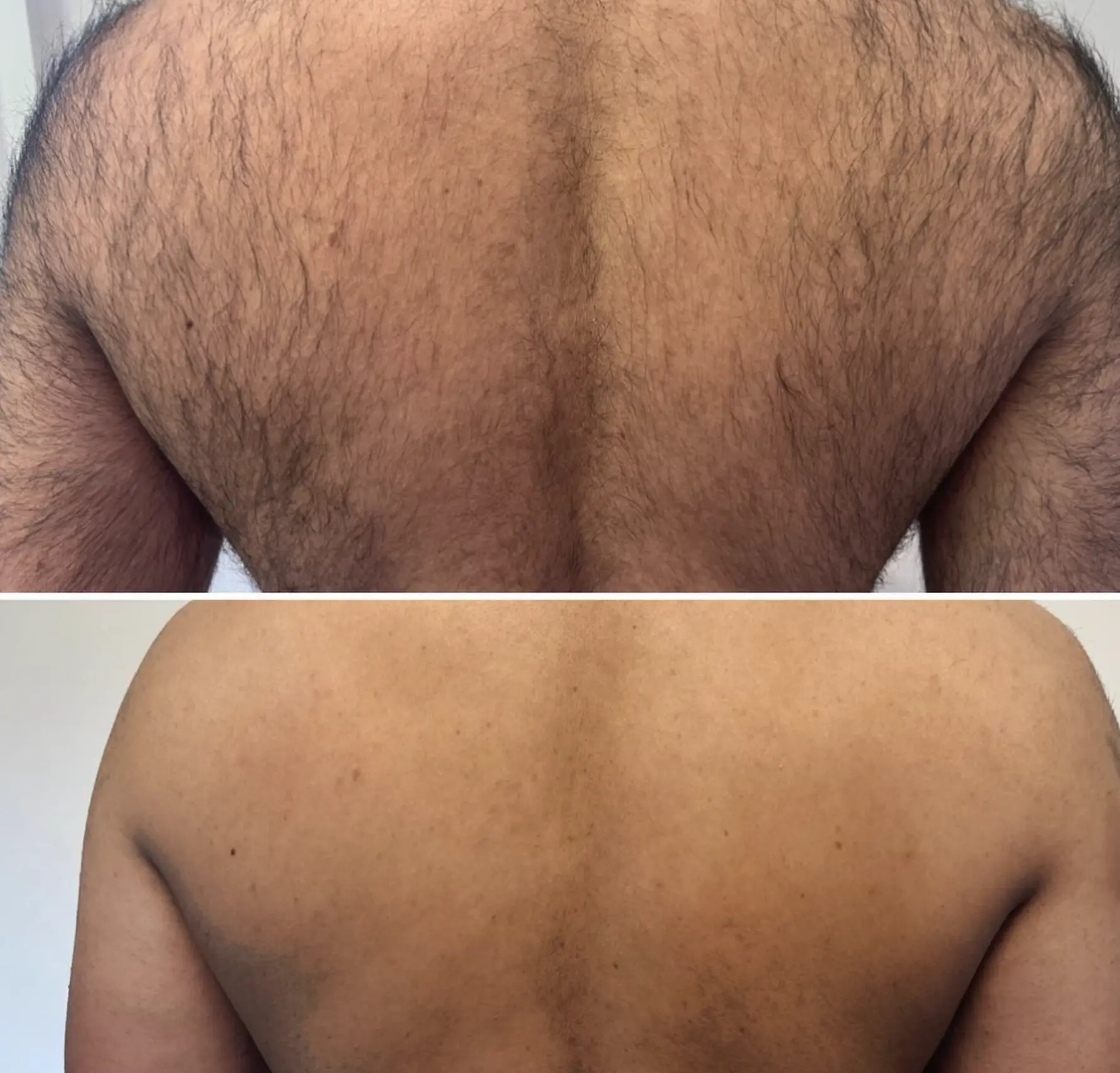
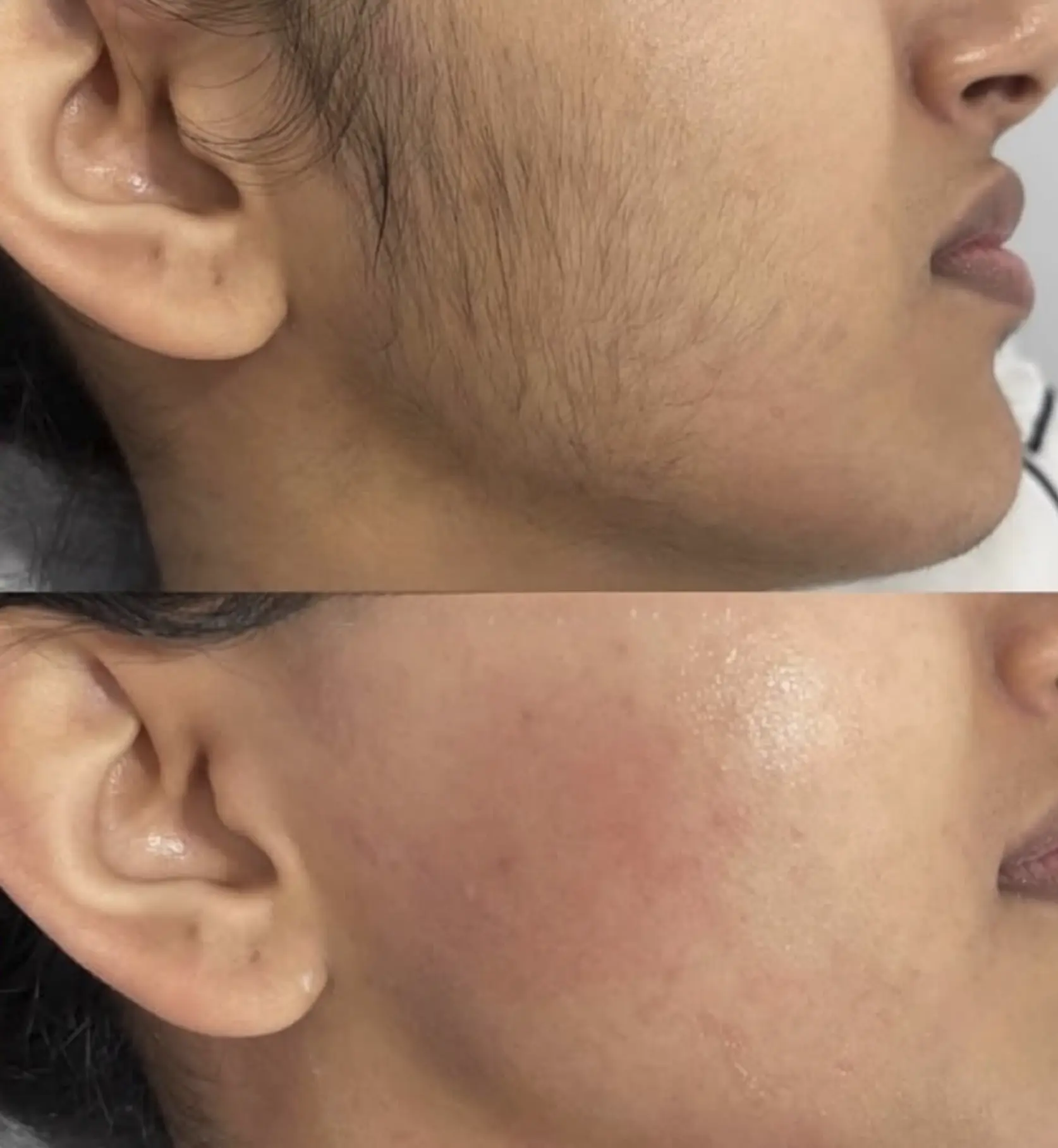
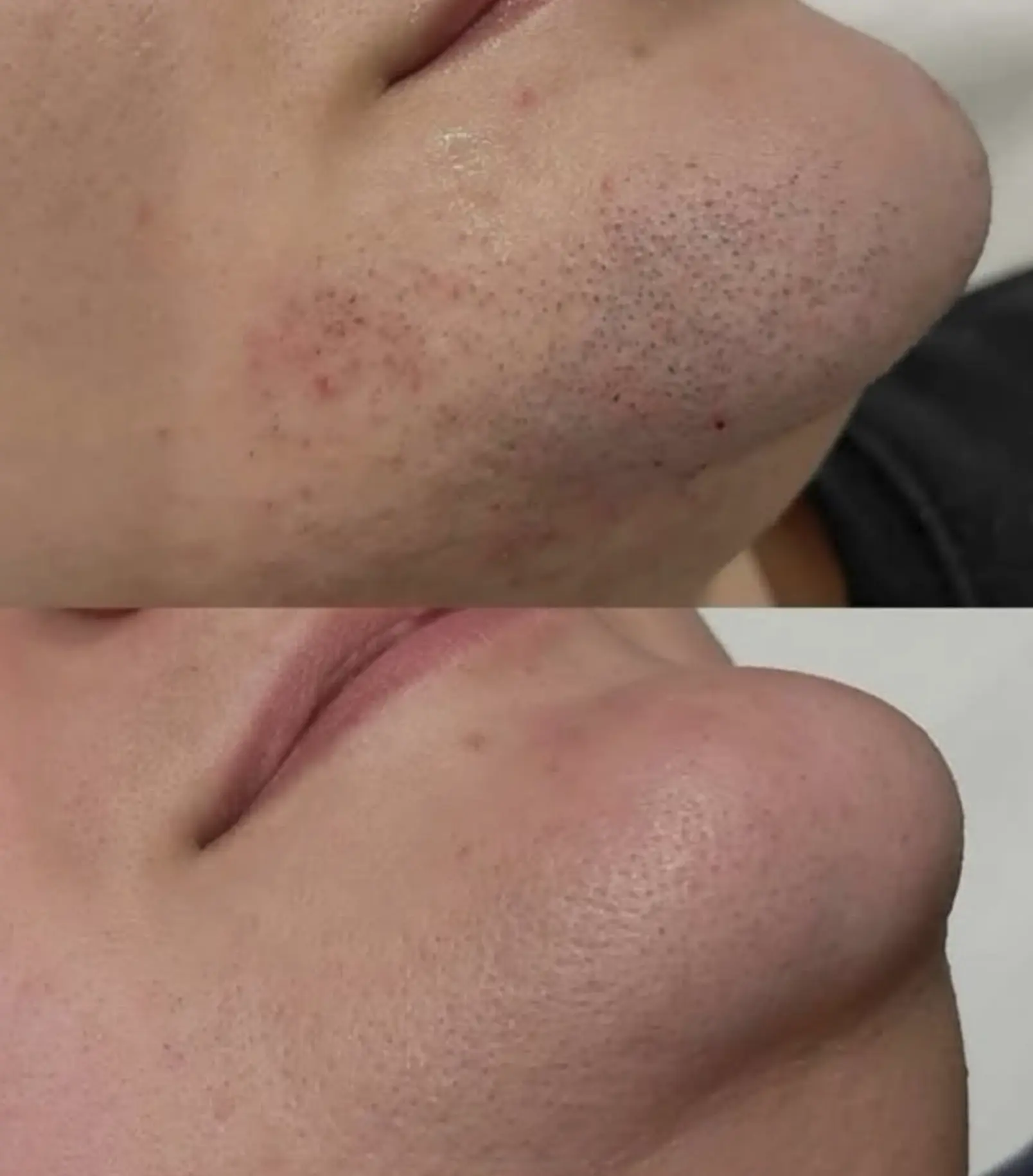
“What are the protocols for laser hair removal?” is one of the big questions I get asked in the studio – and I reckon it’s the one question you should be asking before you even think about booking a treatment. At Cosmetic Tattoo Studio Melbourne Face Figurati, we see people every week who’ve tried IPL hair removal or gone elsewhere just to get it done quickly, only to find out that proper protocols make all the difference.
Hi, I’m Olha Po, the founder of Face Figurati in Melbourne. After years of working with different skin types, hormonal conditions and treatment plans I can tell you this: the difference between silky smooth hair reduction and regrowth that looks like you’ve got prickles all over the place more often than not comes down to the protocols you follow – not the price tag, not some new trend, and definitely not a flashy marketing pitch.
So let’s get down to brass tacks and break it down so you know what should happen at every stage.

Contents
- 1 Why Structure And Planning Make Or Break Your Results
- 2 What Actually Goes Into These “Protocols”
- 3 The Consultation Stage: Where Good Results Begin
- 4 Why Patch Testing Isn’t Optional
- 5 Timing Your Sessions Around The Hair Growth Cycle
- 6 How To Prepare Your Skin The Right Way
- 7 What Actually Happens During The Treatment
- 8 Aftercare: Where Most Results Are Either Secured Or Lost
- 9 Long-Term Maintenance And Realistic Expectations
- 10 Common Mistakes I See In Melbourne Clients
- 11 Laser Vs IPL: Why Protocols Differ
- 12 Safety, Hygiene, And Why Standards Matter
- 13 Final Thoughts: Good Protocols = Predictable Results
- 14 FAQ
Why Structure And Planning Make Or Break Your Results
You could have the latest laser tech in the room, but without proper protocols, you’re just flailing in the dark. Laser hair removal is a real treatment, not some quick fix for a beauty problem, and it needs structure and planning.
At Cosmetic Tattoo Studio Melbourne Face Figurati, we treat every treatment session with the same level of care as a major procedure because results depend on consistency and doing things properly, not taking shortcuts.
What Actually Goes Into These “Protocols”
- Getting a good look at your skin (we mean a proper assessment)
- Going through your medical history (don’t worry, we’ve seen it all)
- Doing some patch testing (no, it’s not as boring as it sounds)
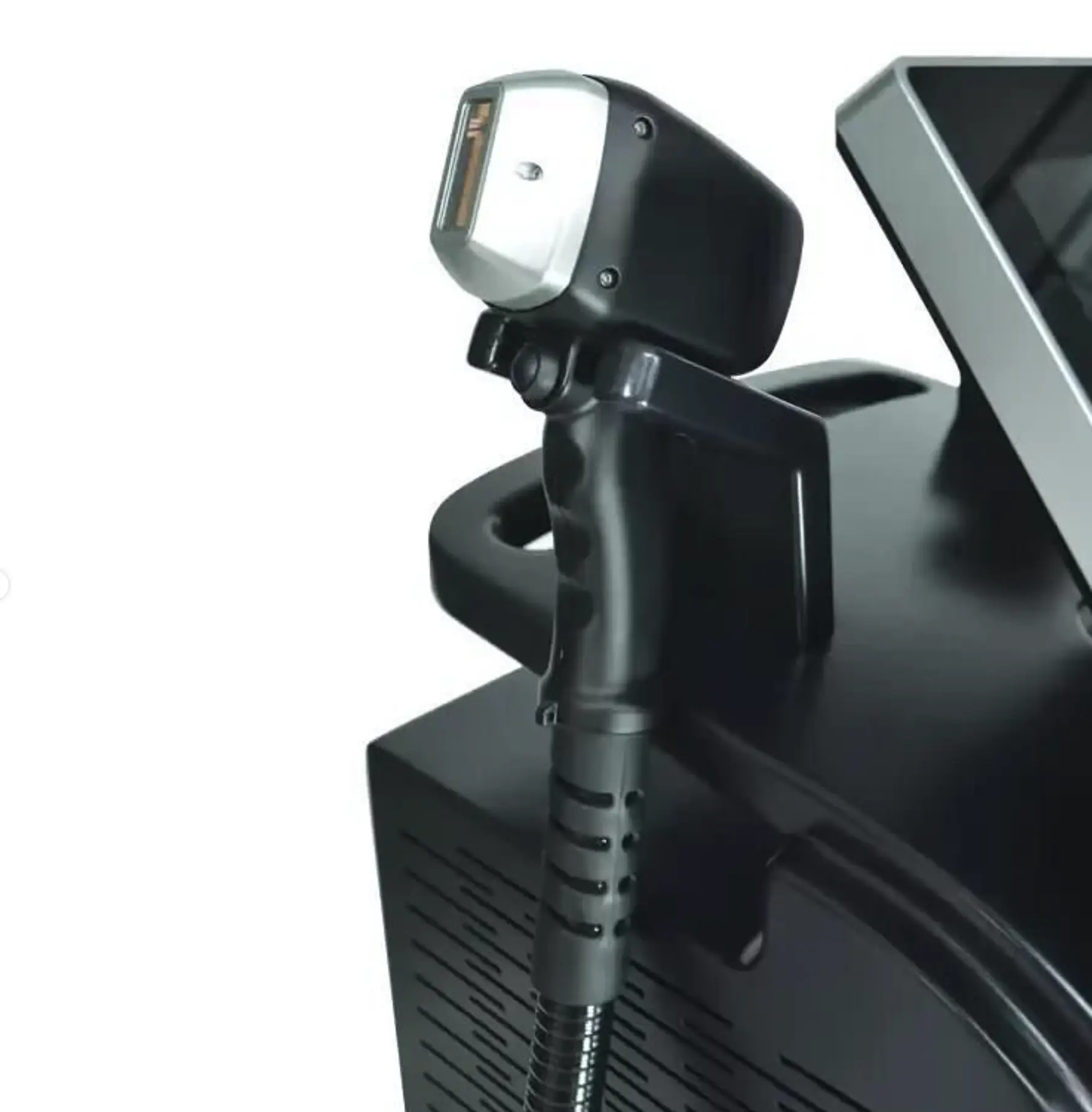
- Figuring out which laser to use (it’s not a one-size-fits-all situation)
- Getting your energy settings spot on (more art than science)
- Structuring your treatment sessions (it’s not just a case of fit it in wherever)
- Looking after your skin after the treatment (yes, that’s a thing)
What I find interesting is that lots of students who do a laser hair removal course in Melbourne are surprised to find out just how much planning goes into a single session – it’s a lot more than just pointing a laser and zapping away.
The Consultation Stage: Where Good Results Begin
The consultation is where everything starts to fall into place – but it’s also where things can go wrong if you rush through it.
At this stage, we’re not just about getting to know you; we’re assessing your skin type, your skin tone, and how your hair follicles behave. We delve into your medical history, too – things like hormonal changes or any medications that might affect how your skin responds to treatment.
I’ve seen it time and time again – clients who’ve had a string of inconsistent IPL hair reduction treatments because nobody had taken the time to do a proper skin assessment. Giving them a new treatment plan and adjusting the laser settings made all the difference – the results became solid, and the frustration vanished.
Why Patch Testing Isn’t Optional
Before we even consider treating you with a full laser session, we always patch-test. It’s not an option, it’s a must.
Patch testing gives us a real idea of how your skin will react to the laser and whether there’s any risk of skin discolouration or the dreaded Post-Inflammatory Hyperpigmentation. This is especially important if you’ve got darker skin or have been overexposed to the sun.
Different lasers behave differently, and the wrong choice can be not just ineffective but actually cause some pretty nasty complications. For example, some lasers work better with light skin, while others are safer to use with deeper Fitzpatrick skin types.
Timing Your Sessions Around The Hair Growth Cycle
Here’s the thing that most people just don’t believe: laser hair removal doesn’t get rid of all of your hair at once. It only works on the hair that’s actively growing – the hair that’s still connected to the follicle and can absorb the laser energy.
So, spacing is everything.
In areas like the bikini line or underarms, we like to space our treatments about 4 to 6 weeks apart. For bigger areas like the legs, we might need to wait a bit longer. These time intervals aren’t random – they’re tailored to the natural cycle of your hair follicles.
It’s a lesson we drill into our students on advanced laser hair removal courses: get the timing wrong, and you’re just wasting your time treating inactive hair follicles, which means your results will be slower.
How To Prepare Your Skin The Right Way
Preparation may seem like a no-brainer, but trust me, it makes all the difference.
First off, sun exposure is a biggie. Treating tanned skin increases your risk of skin pigmentation issues and reduces the laser’s effectiveness in targeting hair follicles. So, we always advise against tanning beds and self-tanning products beforehand.
Shaving is also critical because it keeps the hair root intact – waxing or plucking removes the hair follicle, and the laser has nothing to aim at.
We also advise clients to steer clear of active skincare products, chemical peels or anything else that might make their skin more sensitive in the run-up to treatment.
What Actually Happens During The Treatment
So this is the bit everyone is always curious about – and more often than not a bit on edge.
During a treatment session, the laser beam targets the hair pigment within the follicle. You might feel a bit of a prick and some warmth in the area being treated, but modern laser tech has got it covered with cooling systems or gel to keep things pretty comfortable.
Eye protection isn’t just a suggestion – it’s essential – because a brief exposure to laser light can cause real damage if not taken seriously.
In our studio, we adjust the laser energy on the fly during the session depending on how your skin responds. No set-and-forget approach here.
Aftercare: Where Most Results Are Either Secured Or Lost
Aftercare is where people usually go wrong – especially here in Melbourne, where the sun can pop out even on a relatively milder day.
Right after treatment,t your skin might feel a bit warm and sensitive – that’s normal. What really matters is how you help your skin to recover over the next few days.
Don’t go exposing yourself to heat – no saunas, no intense gym sessions, no long hot showers. Keep things calm and clean, and if you need to use some post-treatment product, aloe vera gel is a good bet.
Sun protection is essential here – we’re talking daily use of SPF 50 sunscreen – not just on the days you remember to go to the beach.
If you ignore aftercare, the risk of Post-Inflammatory Hyperpigmentation or uneven results skyrockets.
Long-Term Maintenance And Realistic Expectations
Laser hair removal is about long-term reduction – not instant removal.
Hair follicles can kick back in at any time because of hormonal changes, age or even just the way you live your life. That’s why maintenance sessions are part of any realistic plan.
I’ve had clients come back in after pregnancy or hormonal changes needing a few extra sessions – it’s completely normal – and easy to manage if you’ve set the right expectations from the start.
This long-term view is something we also cover in some of our broader training programs – whether it’s tattoo removal course or getting people up to speed on advanced laser tech – skin behaviour is always changing over time.
Common Mistakes I See In Melbourne Clients
Melbourne lifestyle definitely plays a part in this.
The Big Ones:
- Tanning right up before treatment
- Not sticking to a consistent appointment schedule
- Changing clinics mid-course
- Relying only on IPL for coarse hair
- Totally ignoring aftercare
Laser Vs IPL: Why Protocols Differ
This is where the confusion comes in.
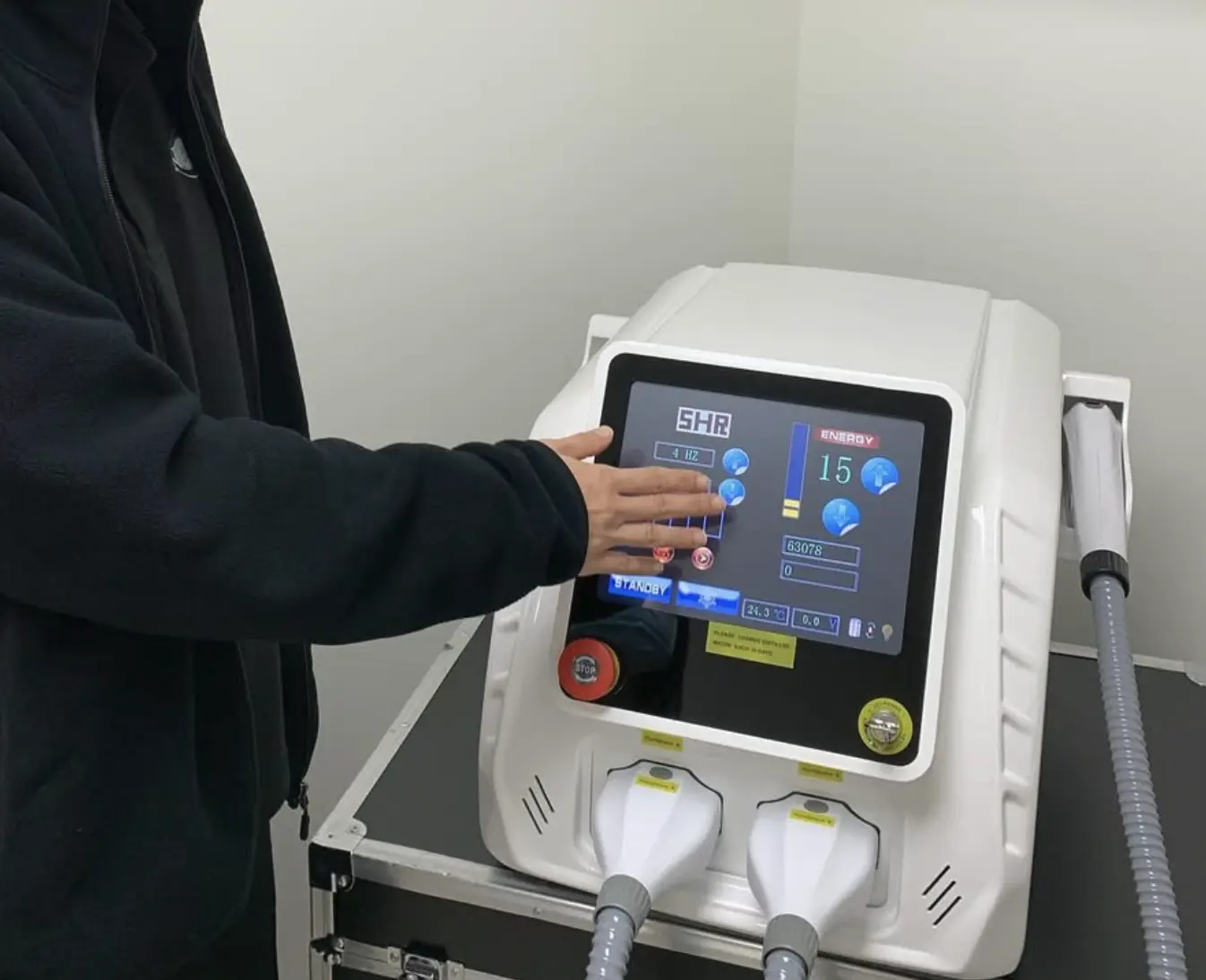
Laser:
- Super targeted
- Very precise
- Better long-term results
IPL:
- A broad-spectrum light
- Less targeted
- Stricter protocols are required
IPL can work, but the results are usually less consistent than what you get from a proper laser treatment.
Safety, Hygiene, And Why Standards Matter
It’s not just about getting results – it’s about keeping you and your skin safe.
At Cosmetic Tattoo Studio Melbourne Face Figurati, we take hygiene and industry standards pretty darn seriously. We make sure all our staff are up to speed with the latest protocols, whether that’s learning about lasers, tattoo removal, or really anything new in the business.
Final Thoughts: Good Protocols = Predictable Results
Laser hair removal works – but let me tell you, it only works if it’s done right. It’s not about chasing cheap deals or trying to follow the latest trend – it’s about getting to know your skin, figuring out a treatment plan that’s right for you, and actually sticking to it.
At Cosmetic Tattoo Studio Melbourne Face Figurati, every single treatment is tailored to you – your skin type, your hair type, your lifestyle – we factor all that in.
Still got doubts about the laser? Reach out to us, I’ll be happy to walk you through it all in a way that makes sense to you.
FAQ
How many sessions do I actually need?
Honestly, anywhere from 6 to 10 sessions usually does the trick, but that depends on the area you’re targeting and your hair growth cycle.
Can I shave between sessions?
Go for it – shaving is perfectly fine. What to avoid, though, is waxing and plucking.
Is laser safe for all skin types?
Yes, if we’re using the right laser and getting the settings just right.
Why is hair growing back in some areas?
Well, hair growth cycles and hormones have a lot to say about it.
Can I do laser in the summer?
Yeah, sure – just don’t forget to keep out of the sun before and after treatments.