Laser Vs. Saline: Which Course Is Better For Semi-Permanent Makeup (SPMU)?
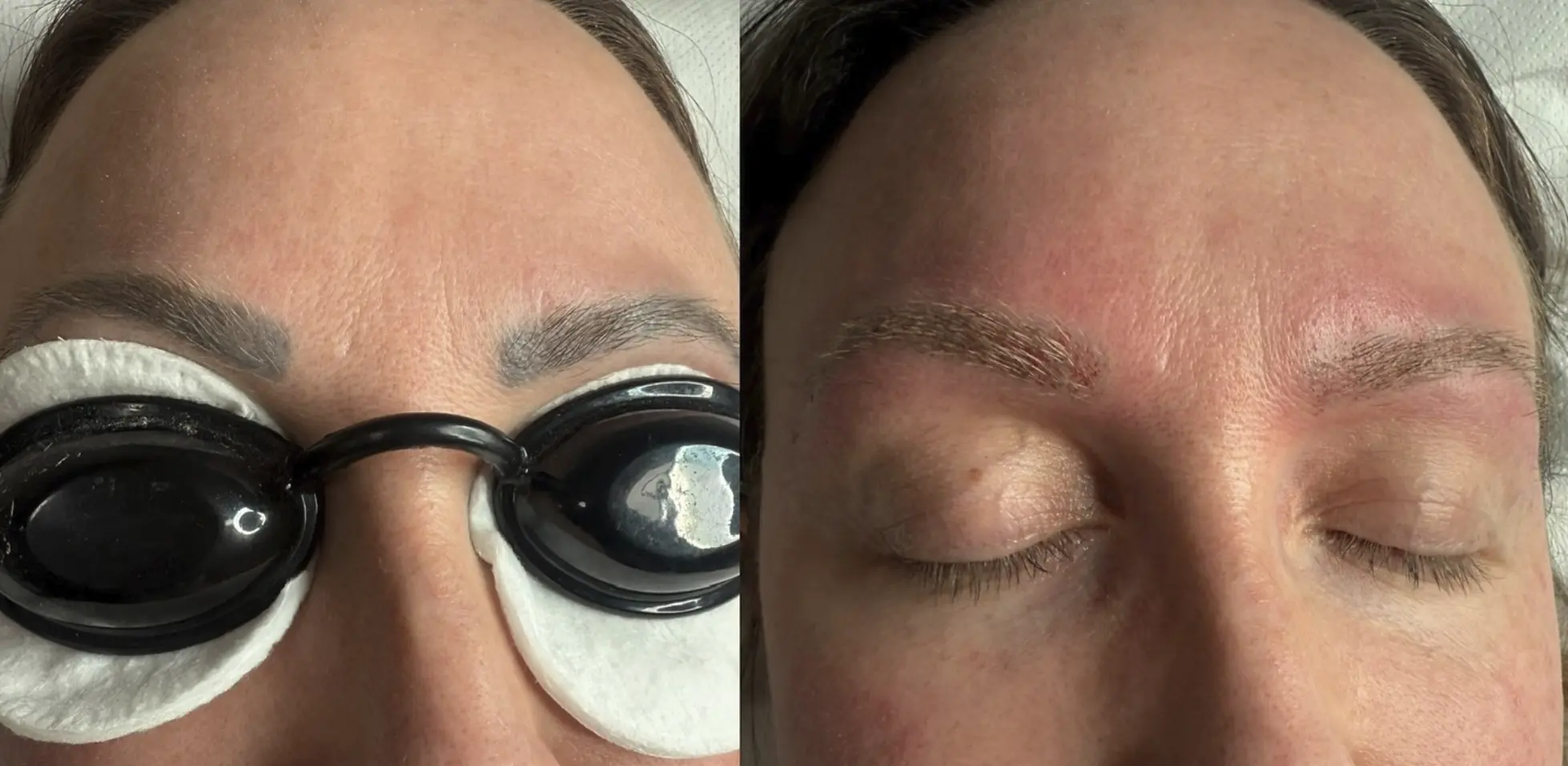
“Laser vs. saline: which course is better for semi-permanent makeup (SPMU)?” I’ve lost count of how many artists asking to level up their skills who’ve asked me this question – and let me be honest with you, the answer is nothing like you’ll find plastered all over Instagram.
If you’re going to be a serious player in cosmetic tattooing for any length of time, you’re going to need to know how to remove tattoos – believe me, I’ve seen it all at Cosmetic Tattoo Studio Melbourne Face Figurati every week: over done eyebrow tattoos, lip tattoos that healed unevenly, and the odd unwanted tattoo that just didn’t age that well. The truth is, choosing the right training courses can either make you a lot better at your job… or leave you stuck sending clients elsewhere.
Let’s put in the work and dive deep on this one – no fluffy nonsense, just honest insight from the treatment room.
Contents
- 1 Why Removal Skills Are Now Essential For Melbourne Artists
- 2 Understanding Laser-Based Correction Techniques
- 3 Why Saline Techniques Still Matter In Modern PMU
- 4 Comparing Speed, Cost, And Control
- 5 Choosing The Right Training Path For Your Experience Level
- 6 What Melbourne Conditions Mean For Your Results
- 7 What Quality Education Should Actually Include
- 8 Final Thoughts: Build Skills, Not Shortcuts
- 9 Ready To Choose The Right Path?
- 10 FAQs
- 10.1 Which one is best for when you need to get super precise for a tweak?
- 10.2 What method is gonna get the job done fastest when we’re dealing with dense pigment?
- 10.3 Is one of these methods generally safer for people with a range of skin tones?
- 10.4 Do both methods require multiple sessions over time?
- 10.5 Should artists end up learning both techniques?
Why Removal Skills Are Now Essential For Melbourne Artists
Melbourne clients are pretty well informed, picky and very aware of how things look in real life – and it’s not just about getting cosmetic tattoos, it’s about getting ones that hold up over time.
As time goes on, all sorts of factors like skin type, sunlight exposure and how deeply the pigment is implanted affect how cosmetic pigments behave. I’ve worked with clients whose eyebrows looked great at 6 months but like a different face by 3 years. It’s just one of those things you have to accept and be prepared for.
That’s why I always tell students who are thinking about doing a tattoo removal course in Australia – removal is no longer a “nice to have“, it’s an actual requirement.
Understanding Laser-Based Correction Techniques
Laser removal‘s got a bit of a reputation for being super speedy and high tech – and in a lot of cases, that’s exactly what it is.
How This Technology Interacts With Pigment
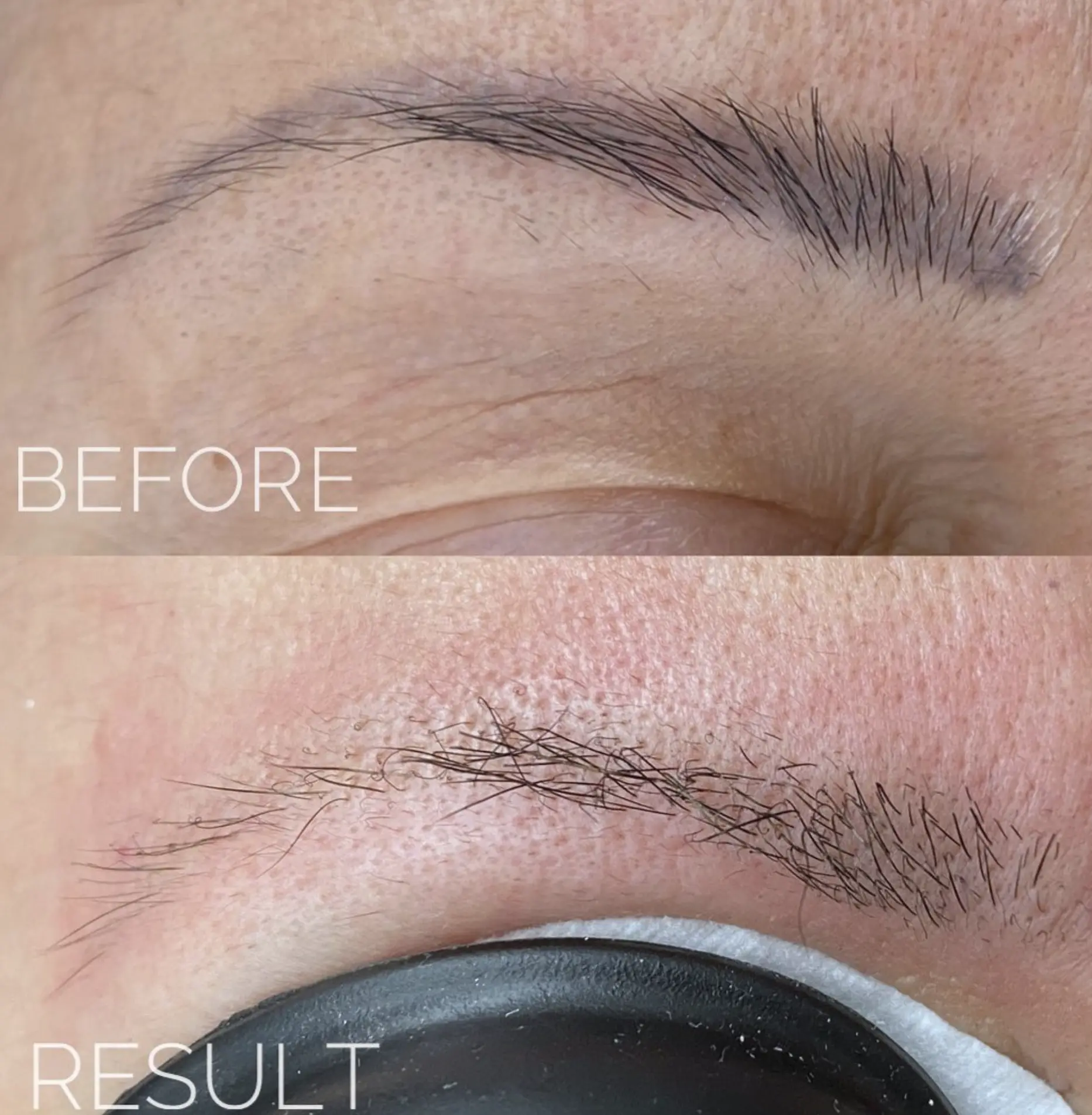
Laser treatment works by blasting a concentrated laser beam at the pigment, breaking it down into tiny fragments – the lymphatic system then clears those fragments out gradually, using your body’s normal immune response to do the job.
In practice, this means results take time – you’re working with biology, not a machine after all.
Rather a lot of artists start with a laser tattoo removal training course, but without an understanding of how skin works and what makes up the pigment, the results are going to be inconsistent.
Where It Delivers Strong Results
In the studio, I find this method is particularly useful for:
- Eyebrow tattoos that are looking a bit too dense or over-saturated
- Cool pigments that, over time, have shifted to a grey or blue tone
- Getting the skin ready for a complete redo
What You Need To Consider
Laser removal is powerful and all that, but you’ve got to treat it with respect – get the settings wrong or do it badly, and you can end up causing skin damage or unwanted colour changes.
Some realities you need to face are:
- Colour shifts can happen, especially when working with iron-based pigments
- Not every skin tone reacts the same way
- You’re always going to need multiple sessions to get the results you want
That’s why proper tattoo removal qualification really does matter – it’s not just about ticking a box, it’s about making sure you do the job right and safely.
Why Saline Techniques Still Matter In Modern PMU
Saline removal may not have all the bells and whistles, but trust us, it’s one of those trusty old tools that every cosmetic tattoo artist is lucky to have in their arsenal.
How It Works On The Skin
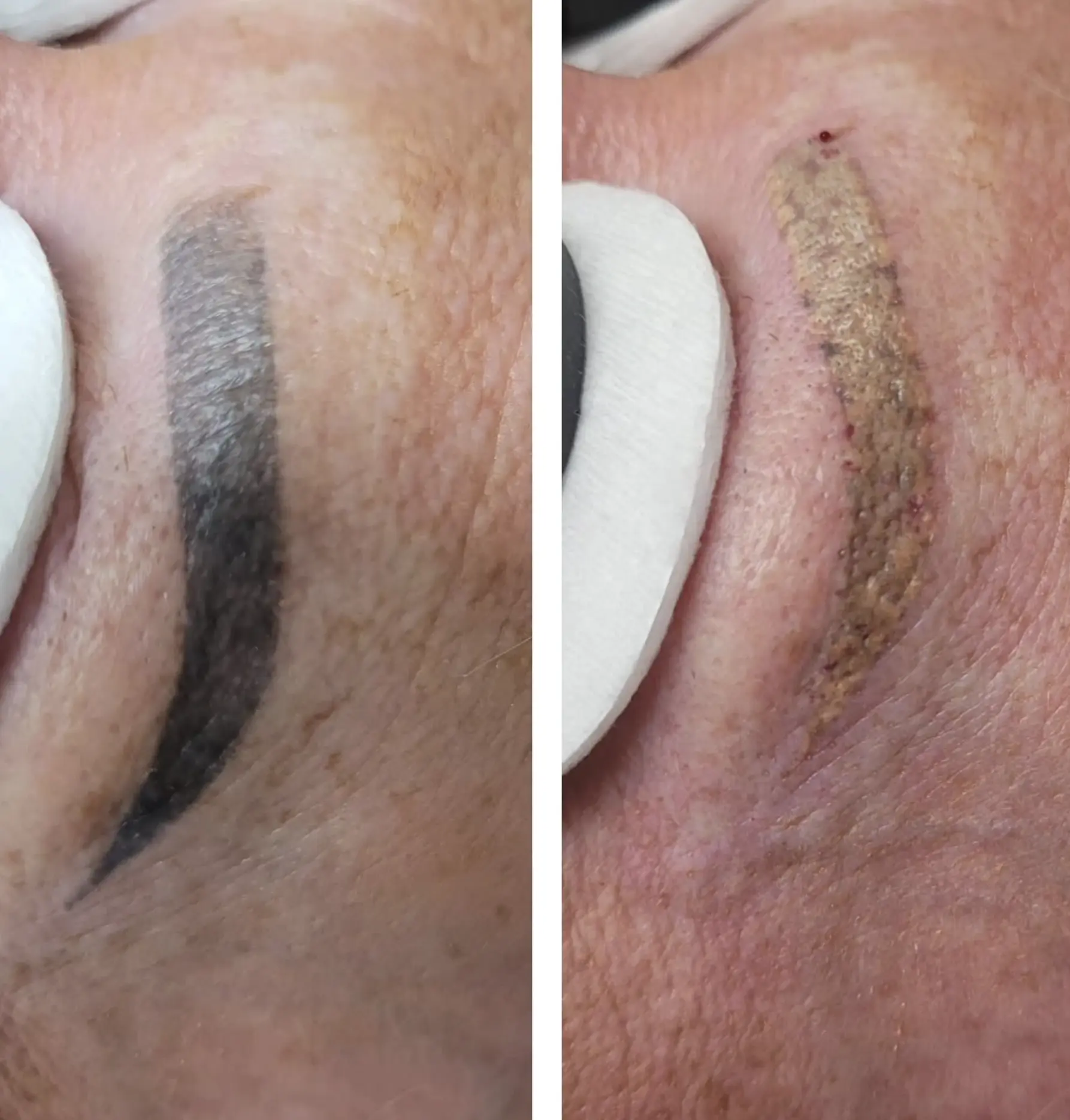
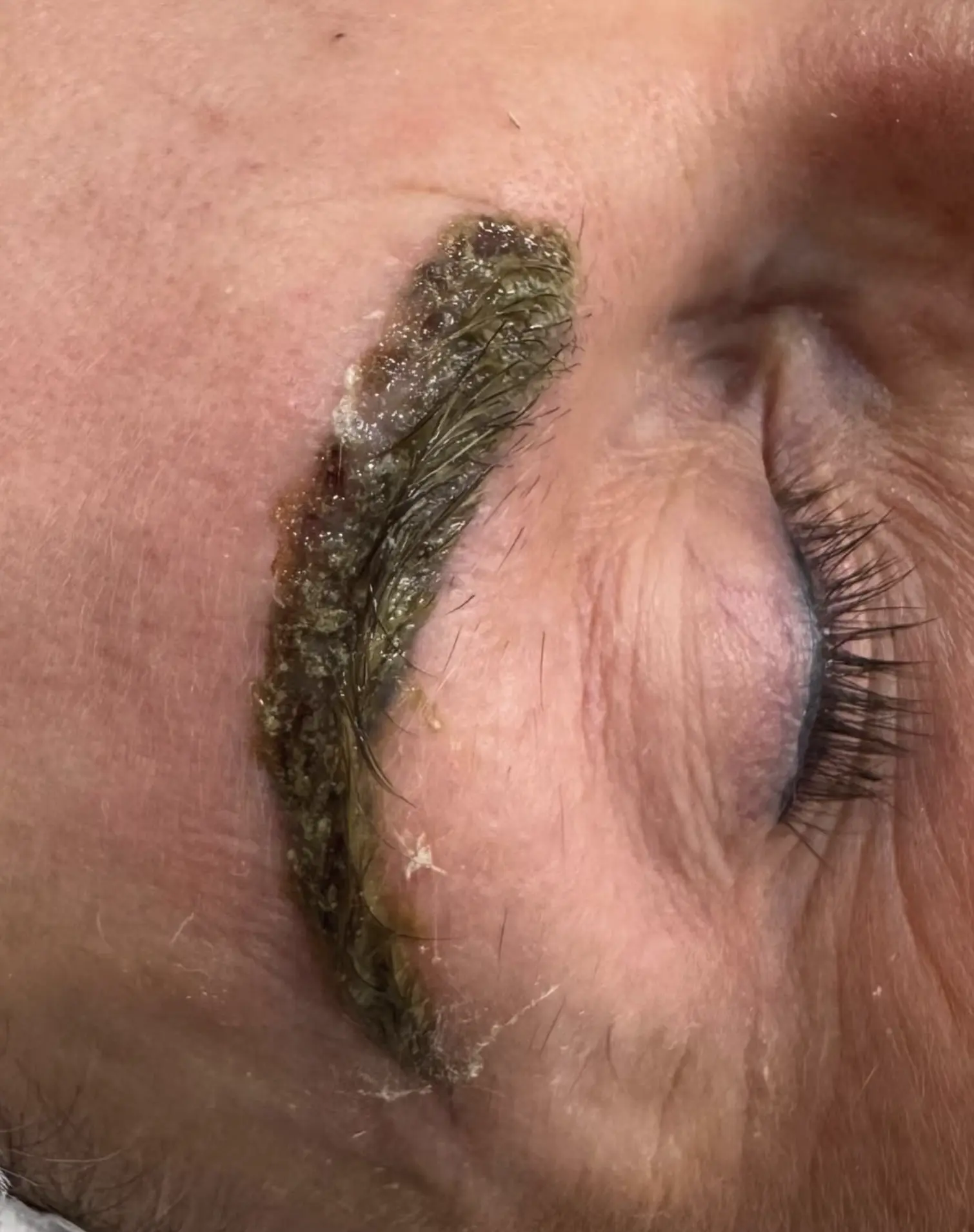
Using a tattoo machine and super fine needles, we inject a saline solution into the skin, which creates this sort of a pull on the pigment particles – drawing them upwards, almost naturally.
As your skin starts to heal and forms a protective crust, the pigment is lifted right out.
Where It Shines In Real Treatments
At Face Figurati, I’ve found that I often opt for saline removal when I need precision over speed.
You know, take that one client of mine who’d gotten some pretty dodgy nano brows done elsewhere – the kind of unevenness that makes you wonder how the artist managed. Instead of chucking the whole lot, we used saline to soften up the bits that needed work, then used a touch-up session to reshape the whole lot.
What Makes It Valuable
Saline removal really has a few key things going for it:
- It’s way more controlled when it comes to getting the details right
- It’s suitable pretty much across the board when it comes to skin types
- And it reduces the chances of you getting any nasty colour surprises
Of course, there’s a trade-off – it’s slower, so you need to be patient, and I don’t just mean the client. The artist needs to be patient, too.
Which is probably why a lot of tattoo removal courses focus on teaching saline first – it lays the foundation for getting those core skills right.
Comparing Speed, Cost, And Control
Choosing the right approach comes down to understanding how each method performs in real scenarios — not just theory.
| Factor | Laser-Based Approach | Saline Technique |
|---|---|---|
| Speed | Faster results | Gradual fading |
| Setup Cost | High | Low |
| Precision | Moderate | High |
| Colour Behaviour | May shift | More predictable |
| Skin Suitability | Limited for some | Broad suitability |
| Best Use | Dense pigment | Detail correction |
Choosing The Right Training Path For Your Experience Level
This is where most artists make their biggest mistakes – they choose a training path based on hype rather than on how ready they actually are.
Starting Out
If you’re new, saline training is the smarter choice.
It helps you:
- Understand the healing process in depth
- Learn how skin responds to trauma
- Correct your own work early
Trying to jump straight into a tattoo laser removal course without this grounding in the basics often ends in disaster – either you’ll over-treat and end up with inadequate results, or worse still, you’ll do a whole lot of damage to your client’s skin.
Growing Your Skillset
Once you’ve got the hang of things and are feeling pretty confident, that’s when you can start adding laser to your skillset. This is especially useful if:
- Work with a high volume of cosmetic tattoos
- Want to offer full tattoo removal
- We are building a more advanced clinic setup
Most experienced artists end up combining both methods – and that’s when the real magic happens, and you start to see some real flexibility.
What Melbourne Conditions Mean For Your Results
Working in Melbourne can be pretty tough, to be honest – the conditions here are notoriously unpredictable – and your results will reflect that.
Seasonal Impact On Skin
Winter dryness can really slow down the healing process, while a summer of UV exposure can lead to all sorts of nasty pigmentation changes. Both of these factors have a big impact on how well the skin responds to treatment and how quickly it recovers.
Client Expectations
Melbourne clients – and most clients for that matter – don’t just want results – they want to know what’s going on. They’ll ask you all sorts of questions about things like:
- How long will the treatment take
- What the healing stages will be like
- What the risks are – things like scar tissue forming
If you can’t answer these questions with confidence, then no matter how good your technique is, you’re probably going to struggle to build a loyal client base.
What Quality Education Should Actually Include
A top-notch course – whether it’s saline or laser – should cover the basics
- The way your skin heals and stays healthy
- Proper infection control & hygiene standards – can’t stress that enough
- Hands-on practice – you need to get in there and try it out for yourself
- Real-life client case studies – you gotta learn from the good, the bad and the ugly
- And ongoing support – you’re never done learning
Final Thoughts: Build Skills, Not Shortcuts
You don’t have to stick with one method forever.
Experience tells you that most of us end up learning both, because every skin type is different and every client is unique.
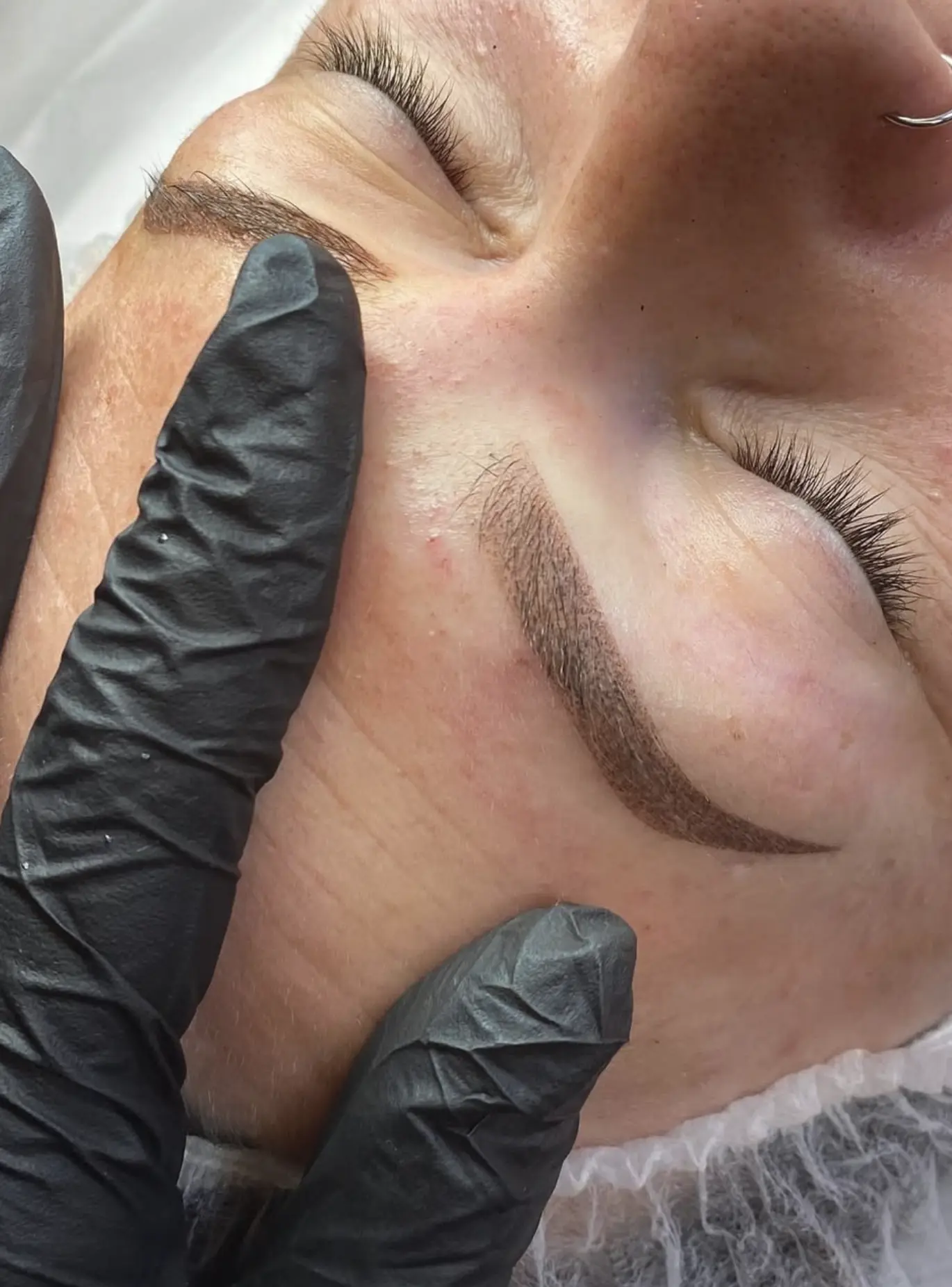
And at Cosmetic Tattoo Studio Melbourne Face Figurati, we choose which method to use based on who we’re working with – whether it’s tweaking nano brows or doing a full correction.
Ready To Choose The Right Path?
If you’re stuck on which way to go, that’s totally okay.
The right training course should help you grow – not confuse you even more.
If you want real-world advice from someone who’s been around the block a few times,s then get in touch with Face Figurati. I’m always stoked to help you make a smart choice.
FAQs
Which one is best for when you need to get super precise for a tweak?
Honestly, saline is usually the better bet for precise adjustments and reshaping.
What method is gonna get the job done fastest when we’re dealing with dense pigment?
Laser-based methods usually break down heavy pigment much more quickly.
Is one of these methods generally safer for people with a range of skin tones?
Saline tends to be the safer option for a wider range of skin types.
Do both methods require multiple sessions over time?
Yeah, gradual fading and safe healing require spaced-out sessions to get the best results.
Should artists end up learning both techniques?
If you want to be the best you can be and deliver the best possible results for your clients, then yeah, learn both – it’s gonna make your life so much easier.